
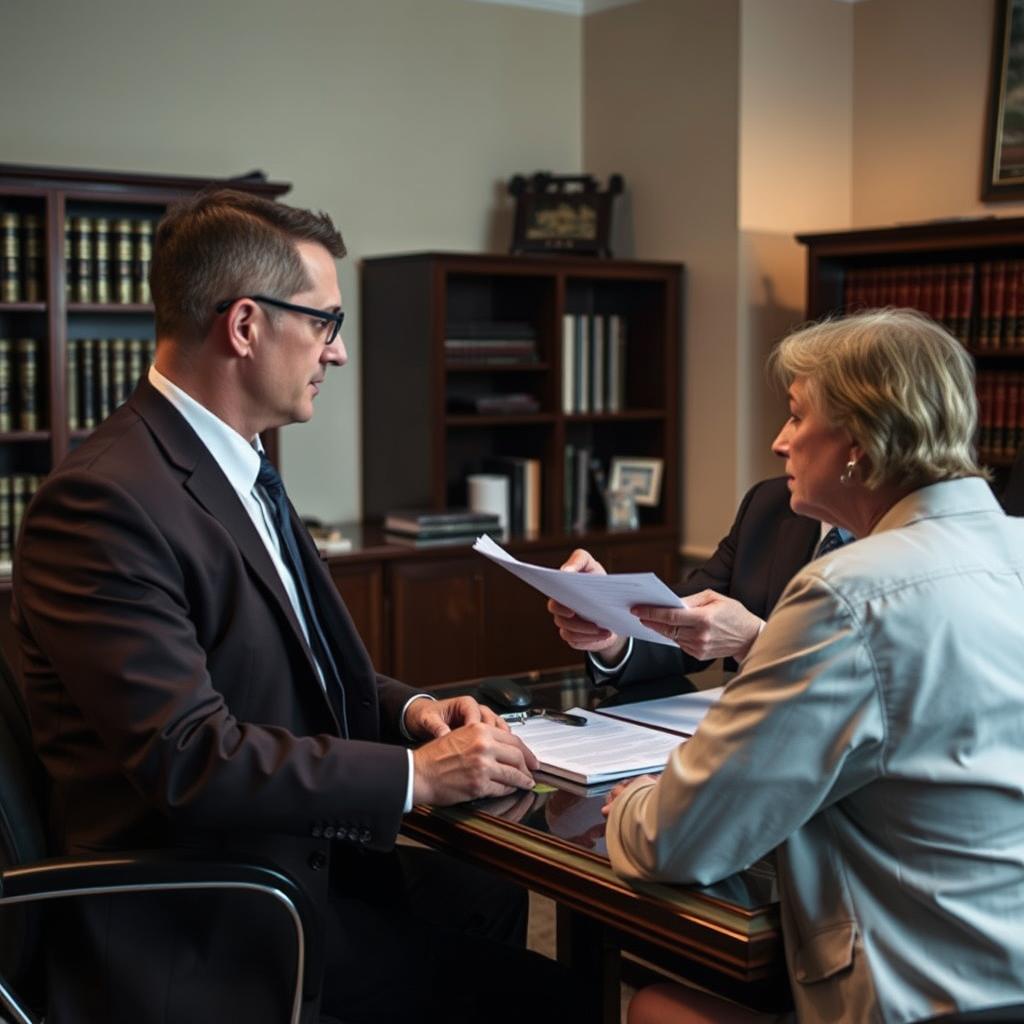
Stalking Lawyer Schenectady County, NY
A stalking accusation in Schenectady County can upend your life before you set foot in a courtroom. An arrest, a temporary order of protection, and the publicity of a criminal charge often follow within hours. At Law Offices Of SRIS, P.C., mr. Sris and his Of Counsel team defend individuals facing stalking allegations in Schenectady County courts. Mr. Sris is a former prosecutor who has practiced criminal defense since 1997, and he understands how law enforcement and prosecutors build these cases. Stalking charges in New York can be filed as a misdemeanor or felony depending on the alleged conduct and any prior history, and a conviction may carry incarceration, a permanent criminal record, and an extended order of protection that restricts contact and movement. Our New York location represents clients throughout Schenectady County, including Schenectady, Niskayuna, Rotterdam, Scotia, Duanesburg, and Glenville. To speak with Mr. Sris and his Of Counsel about your circumstances, reach our location at (888) 437‑7747. Law Offices Of SRIS, P.C. — Advocacy Without Borders.
What a Stalking Charge Means in Schenectady County
Stalking in New York is generally defined as engaging in a course of conduct directed at a specific person that causes that person to reasonably fear for their safety or the safety of others. The alleged conduct may involve repeated following, unwanted communication, or surveillance—whether in person, by phone, or through electronic means. New York’s Penal Law distinguishes several degrees of stalking based on factors such as the severity of the alleged fear induced, whether the accused has a prior conviction for a related offense, and whether the conduct violated an existing court order.
In Schenectady County, a stalking charge is typically commenced by the filing of an accusatory instrument in the local criminal court. Misdemeanor stalking cases are heard at Schenectady County Criminal Court, while felony-level stalking charges proceed in Schenectady County Supreme Court Criminal Term. Under New York’s 2020 bail reforms, most defendants accused of non-violent offenses, including many stalking charges, are released on their own recognizance pending trial, though a judge may impose conditions such as an order of protection. The court process includes an arraignment, possible pretrial motions, and ultimately a trial or disposition. An adjournment in contemplation of dismissal (ACD) may be available for certain first-offense stalking charges, allowing the matter to be dismissed after a period of good behavior. Every case turns on the specific facts and the evidence the prosecution can assemble. Because a stalking conviction can also affect employment, licensing, and immigration status, it is critical to address the accusation early with experienced counsel.
How Mr. Sris and His Of Counsel Handle Stalking Cases
When our firm represents a person accused of stalking in Schenectady County, we begin by examining the underlying facts and the evidence the prosecution intends to present. Mr. Sris’s background as a former prosecutor gives him insight into how charging decisions are made and where a case may be vulnerable. He and his Of Counsel scrutinize the alleged pattern of conduct, looking for gaps in the timeline, ambiguous communications that may not constitute a true threat, or inconsistencies in the complaining witness’s account. Our approach includes evaluating whether any constitutional issues exist—such as an unlawful search, a violation of the right to counsel during a police interview, or a failure to provide required discovery.
The defense strategy in a stalking matter may involve negotiating with the prosecutor for a reduction or dismissal of the charges, preparing for a pretrial hearing to challenge the admissibility of certain evidence, or taking the case to trial when the facts and the law support it. Mr. Sris and his Of Counsel also address any collateral consequences early in the representation, including the potential for immigration consequences or professional licensing repercussions. Because New York law often permits a released defendant to return to work and family while the case is pending, we work to resolve the matter efficiently and with minimal disruption to the client’s life. Each step is guided by the specific circumstances of the accusation and the client’s priorities. We do not guarantee any outcome; we focus on preparing a thorough defense and pursuing the most favorable resolution achievable under the law.
About Mr. Sris and His Of Counsel Team
Mr. Sris is Owner and Founder of Law Offices Of SRIS, P.C. He is a former prosecutor who founded the firm in 1997 and is admitted to practice in Virginia, Maryland, the District of Columbia, New Jersey, and New York. His work includes defending individuals against criminal charges such as stalking, assault, and other offenses involving allegations of interpersonal conflict. Mr. Sris’s experience with the procedural and evidentiary demands of the criminal courts informs his representation at every stage of a case.
Mr. Sris and his Of Counsel team bring over 120 years of combined legal experience. Results may vary. Firm-wide, they have documented 4,739+ case results since 1997. The Of Counsel attorneys are engaged through Excella and work collaboratively with Mr. Sris on stalking and other criminal defense matters, drawing on their own backgrounds in prosecution and law enforcement to evaluate the strengths and weaknesses of the prosecution’s evidence. The firm’s New York location at 50 Fountain Plaza, Suite 1400, Office No. 142, Buffalo, NY 14202 serves clients in Schenectady County and throughout the Capital District by appointment. Call (888) 437‑7747 to schedule a consultation.
Frequently Asked Questions
What constitutes stalking under New York law?
Stalking in New York is a course of conduct directed at a specific person that causes reasonable fear of material harm. The conduct may include following, unwanted contact, or surveillance through physical presence, phone calls, texts, or electronic means. The law grades stalking offenses by the degree of fear or injury caused, whether a weapon was involved, and whether the accused has a prior conviction for a related crime. A single incident is usually insufficient; the prosecution must prove a pattern of behavior. An experienced attorney can challenge whether the alleged actions meet the legal standard for stalking, particularly when the communication was mutual or the fear asserted is not objectively reasonable under the circumstances.
What are the potential penalties for a stalking conviction in Schenectady County?
A stalking conviction in New York can result in jail time, probation, a permanent criminal record, and a long-term order of protection. The severity of the penalties depends on the degree of the offense charged. Misdemeanor stalking may carry a sentence of up to one year in jail, while felony stalking can lead to state prison time. In addition, a conviction may affect employment, professional licensing, and immigration status. Schenectady County judges have discretion in sentencing and may consider factors such as the defendant’s prior record and the impact on the complaining witness. An attorney can advocate for alternatives to incarceration, such as a conditional discharge or participation in a treatment program, when appropriate.
How can a criminal defense lawyer help with a stalking accusation?
A lawyer can investigate the allegations, identify weaknesses in the prosecution’s case, and pursue dismissal, reduction of charges, or acquittal at trial. Early intervention is important: counsel can communicate with the prosecutor, preserve favorable evidence, and advise the accused on interactions with law enforcement. In Schenectady County, a defense attorney may also negotiate a resolution that avoids a criminal conviction, such as an adjournment in contemplation of dismissal (ACD) for certain first-time charges. Throughout the process, the attorney protects the client’s constitutional rights and works to minimize the personal and professional fallout of the accusation. Every case is different, and a tailored strategy can improve the likelihood of a positive resolution.
What is an order of protection and how does it affect a stalking case?
An order of protection is a court order that requires the accused to stay away from and not contact the protected person. In a stalking case, a temporary order is often issued at arraignment and remains in effect while the case is pending. A final order may be issued if the case results in a conviction or certain dispositions. Violating an order of protection can lead to additional criminal charges. An attorney can address the scope and duration of the order, seek modifications when legally justified, and help ensure the accused understands the restrictions to avoid inadvertent violations while the case is ongoing in Schenectady County court.
Can stalking charges be dropped or dismissed?
Yes, stalking charges may be dismissed if the prosecution lacks sufficient evidence, if procedural issues arise, or through a negotiated disposition. A Schenectady County prosecutor may agree to dismiss the charge if a review of the evidence reveals that the alleged conduct does not meet the statutory elements of stalking, if key witnesses are unavailable, or if constitutional violations taint the case. In some first-offense situations, an ACD may result in dismissal after a period of good behavior. An experienced criminal defense attorney can evaluate the file for legal and factual weaknesses and advocate for a dismissal at the earliest feasible stage. No outcome is past results do not guarantee a similar outcome, and each case depends on its unique facts.
Do I need a lawyer if I am accused of stalking?
While you are not legally required to have a lawyer, representing yourself in a stalking case carries significant risks. The criminal justice process in Schenectady County involves procedural rules, evidentiary standards, and sentencing guidelines that are difficult to navigate without legal training. A conviction can result in incarceration and a permanent criminal record, and an order of protection may restrict your contact with family or co-workers. An attorney can protect your rights, advise you on how to respond to the accusations, and present the strong $1 available under the facts. Contacting a lawyer early often makes a meaningful difference in the direction of the case. To discuss your situation with Mr. Sris and his Of Counsel, call (888) 437‑7747.
Attorney advertising. Prior results do not guarantee a similar outcome. Case results depend on a variety of factors unique to each case. Results may vary. The firm’s New York location at 50 Fountain Plaza, Suite 1400, Office No. 142, Buffalo, NY 14202 is by appointment. Call (888) 437‑7747 to schedule.