
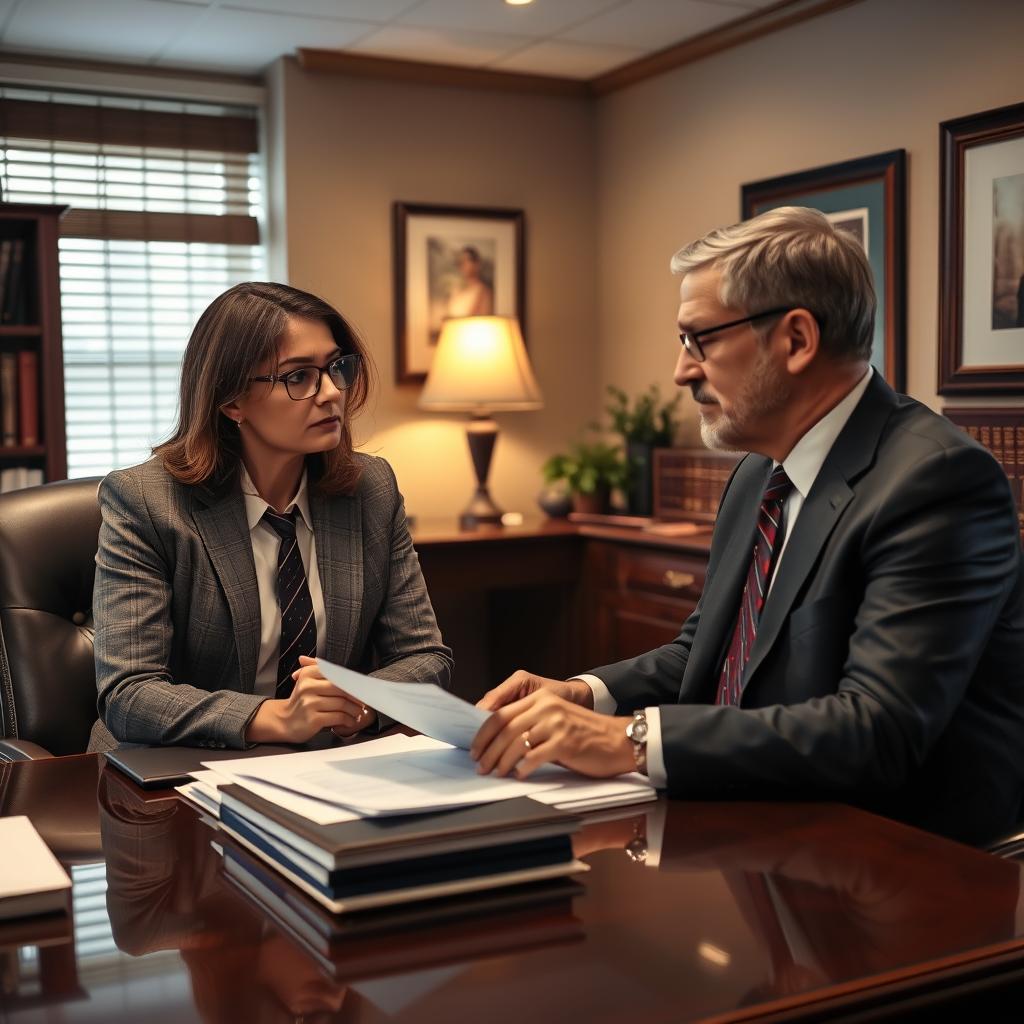
Stalking Lawyer Clinton County, NY
You received a voicemail from a Plattsburgh detective. A former partner has accused you of stalking—maybe showing up too often, sending unwanted messages, or making her feel watched. Within days you are served with a temporary order of protection, and now you are facing criminal charges in Clinton County Criminal Court. You need to understand what happens next and who can stand with you. That is where Mr. Sris and his Of Counsel team at Law Offices Of SRIS, P.C. Come in. Call (888) 437-7747 to speak with us about your situation. Law Offices Of SRIS, P.C. — Advocacy Without Borders.
Your Situation: A Stalking Charge in the North Country
Stalking allegations in Clinton County often arise out of domestic relationships, and a single complaint can trigger a criminal case as well as a Family Court protective order. Unlike a traffic ticket, a stalking charge puts your liberty, your reputation, and your firearm rights at risk. New York Penal Law classifies stalking offenses by degree, and even a misdemeanor conviction can follow you for years.
Our job is to listen to your side of the story and build a defense that accounts for how these cases are handled at the Clinton County Supreme Court in Plattsburgh and in the local criminal court. Because Clinton County is a smaller jurisdiction, the district attorney’s office and the judges know each other well. We know the local rhythms and can position your case to be heard fairly.
What a Stalking Charge Means Under New York Law
Stalking in New York is defined under Penal Law Article 120. The charge can escalate depending on the alleged conduct. At its lowest level, stalking in the fourth degree (a class B misdemeanor) involves intentionally engaging in conduct that causes the other person to reasonably fear for their safety. If the conduct violates a court order—such as an order of protection—the charge can be elevated to a class A misdemeanor or a felony. The potential penalties range from a short jail sentence to years in state prison, and a conviction can bar you from possessing firearms under federal law.
Because Clinton County courts apply New York’s 2020 bail reform, a first-offense stalking charge that is non-violent may not require cash bail. However, a felony-level charge or a violation of a protective order can change that. An experienced attorney can argue for release on recognizance and work toward outcomes like an Adjournment in Contemplation of Dismissal (ACD), where charges are dismissed after a period of good behavior.
How Mr. Sris and His Of Counsel Handle Stalking Defense
When you contact us, we start with a direct conversation about the facts. We will look at the complainant’s statements, any electronic evidence, and the history between you and the accuser. Stalking cases often involve ambiguous messages and subjective perceptions. We challenge the prosecution’s narrative by examining inconsistencies, motive to fabricate, and whether the alleged conduct actually meets the statutory definition of stalking.
In Clinton County, we have appeared before the judges in both the criminal court and the Supreme Court. We know when negotiation with the district attorney is realistic and when we need to be ready for a hearing. Our goal is to resolve the case in a way that protects your future—whether that means a complete dismissal, a reduction to a non-criminal violation, or a deferred disposition that avoids a conviction record.
About the Legal Team
Mr. Sris, Owner and Founding Attorney of Law Offices Of SRIS, P.C., has practiced criminal defense since 1997. He is a former prosecutor who understands how the state builds a case. Mr. Sris testified before the Virginia House Courts of Justice Committee in support of 2019 HB 635 (chief patron Del. David Bulova). Together with his Of Counsel—all experienced criminal defense attorneys—the firm brings over 120 years of combined legal experience. Results may vary. The team has documented 4,739+ case results across all practice areas since 1997.
Frequently Asked Questions About Stalking Charges in Clinton County
What is the difference between fourth-degree and third-degree stalking in New York?
Stalking in the fourth degree is a class B misdemeanor, while stalking in the third degree is a class A misdemeanor. Fourth-degree stalking involves intentionally engaging in a course of conduct that causes the victim to fear for their safety, without a weapon or violation of a court order. Third-degree stalking typically applies when the conduct puts the victim in reasonable fear of physical injury, or when the accused has a prior stalking conviction. The higher classification exposes you to a longer potential jail sentence and can affect bail considerations. An attorney can often argue for a reduction to a lower-level charge if the evidence of an actual threat is weak.
Can a stalking charge be dropped if the accuser recants?
Prosecutors may still pursue a stalking charge even if the accuser wants to drop it. In New York, the district attorney controls the criminal case, not the complaining witness. However, a recantation or a statement that the conduct was misinterpreted can be powerful ammunition for your defense. We can present that evidence to the prosecutor and argue that the case lacks a credible victim, which may lead to a dismissal or a reduced plea. It is important to have an attorney communicate on your behalf rather than approaching the accuser yourself, which could lead to additional charges.
What role does an order of protection play in a Clinton County stalking case?
An order of protection can turn a minor stalking allegation into a felony-level charge. If you are accused of violating a Family Court or criminal court order of protection, the stalking offense may be charged as a felony. Even a non-violent communication—a text message or a social media “like”—can be treated as a criminal contempt if it violates the order. We review the order’s specific terms and any communication records to challenge whether a violation actually occurred. In some cases, we can move to vacate the order if it was obtained improperly.
Do I need a lawyer for a first-offense stalking charge?
Yes—a first-offense stalking charge still carries the possibility of jail time and a criminal record. Many people assume a misdemeanor stalking charge is minor, but a conviction can result in up to a year in jail for a class A misdemeanor, and the record can affect employment and firearm ownership. An attorney can explore deferred disposition options and may be able to get the case sealed later. In Clinton County, early intervention with the district attorney’s office can make a significant difference in the outcome.
How is stalking evidence investigated in Clinton County?
Law enforcement will collect witness statements, electronic records, and any physical evidence to build a case. Detectives from the Plattsburgh City Police or the Clinton County Sheriff’s Office will look at text messages, call logs, GPS data, and social media activity. We can challenge the reliability of that evidence—for example, whether the messages are authentic or whether the pattern of contact shows a course of conduct rather than isolated incidents. We also review whether the investigation complied with constitutional requirements, such as obtaining proper warrants for electronic data.
For guidance on your specific situation, reach Law Offices Of SRIS, P.C. at (888) 437-7747.
Helpful Resources
Related locations where we handle stalking cases:
- Stalking Lawyer in New York County (Manhattan)
- Stalking Lawyer in Kings County (Brooklyn)
- Stalking Defense Attorney in Queens County
- Stalking Charges Lawyer in Richmond County (Staten Island)
- Stalking Defense Attorney in Nassau County (Long Island)
Official New York legal resources:
Attorney advertising. Prior results do not guarantee a similar outcome. Case results depend on a variety of factors unique to each case.