
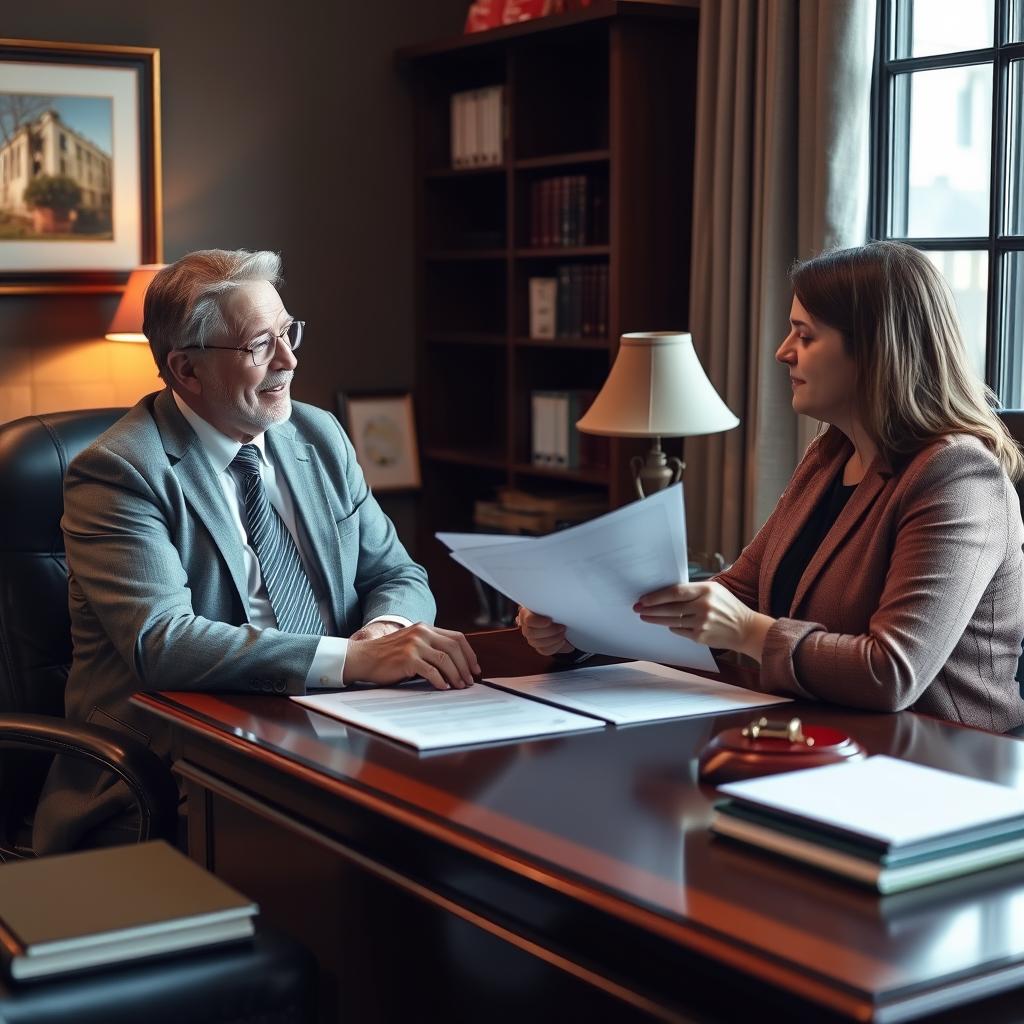
Order of Protection Lawyer Genesee County, NY
When a relationship becomes volatile or threatening, an order of protection can provide critical legal safeguards. Law Offices Of SRIS, P.C. represents individuals who are seeking a family court order of protection in Genesee County, New York, as well as respondents who must defend against a petition that could limit their liberty, housing, parenting time, or firearm rights. Both sides of this process carry high stakes, and the outcome can affect custody arrangements, access to a shared home, and future interactions with the family court system. Mr. Sris and his Of Counsel team have built a multi-state practice that includes Genesee County Family Court, where most order of protection matters are heard. For a consultation about your situation, reach our location at (888) 437-7747. Law Offices Of SRIS, P.C. — Advocacy Without Borders.
Mr. Sris, Owner and Founder · Admitted in Virginia, Maryland, District of Columbia, New Jersey, and New York · Practicing since 1997
50 Fountain Plaza, Suite 1400, Office No. 142, Buffalo, NY 14202 · (888) 437-7747
What an Order of Protection Means in Genesee County
In New York, an order of protection is a court directive that restricts contact between a respondent and a petitioner when allegations of family offense have been raised. The Genesee County Family Court, located at 1 West Main Street in Batavia, handles these petitions under Article 8 of the Family Court Act. The court can issue an order on a temporary, interim basis after an ex parte application, followed by a fact-finding hearing where both parties present evidence. The legal standards governing these proceedings balance the petitioner’s right to safety with the respondent’s due process protections, and the orders can address stay-away provisions, firearms surrender, and temporary custody arrangements.
Unlike some other family law matters, an order of protection case does not require a separate divorce or custody filing to be initiated. A person who is related by blood or marriage, shares a child with the respondent, or has an intimate relationship may petition the court directly. Respondents who are served with a petition should act quickly because the ex parte order can remain in place until a full hearing and may have immediate consequences for work, residency, and contact with children. Mr. Sris and his Of Counsel routinely appear before the Genesee County Family Court and guide clients through the procedural requirements, whether they are seeking protection or responding to an order.
How Mr. Sris and His Of Counsel Handle Order of Protection Cases
For petitioners, the process begins with a written petition that describes the alleged conduct and the relief requested. The court reviews the allegations and may issue a temporary order of protection on the same day, setting a hearing date for the respondent to appear and contest the order. Mr. Sris and his Of Counsel help petitioners draft a clear narrative, identify supporting evidence, and understand what the court is likely to do at each stage. For respondents, the response window is tight — appearing without preparation can result in a final order that lasts up to two years or more. The Of Counsel team reviews the allegations, investigates potential defenses, and prepares for the fact-finding hearing where credibility and evidence are tested.
Because these cases often intersect with custody, visitation, and child support proceedings, Mr. Sris and his Of Counsel take a coordinated approach. They discuss how a final order of protection might affect a pending custody motion or a custody order already in place. The firm also works with clients to address gun ownership restrictions that attach to certain orders under federal and state law. Throughout the process, the emphasis remains on presenting the facts effectively and protecting the client’s legal interests without making promises about results. The timeline of each case depends on the court’s calendar and the complexity of the allegations, but the team is responsive to clients’ questions at every step.
About Mr. Sris and His Of Counsel Team
Mr. Sris, Owner and Founder of Law Offices Of SRIS, P.C., began practicing in 1997 after service as a prosecutor. His prosecutorial background informs the firm’s approach to order of protection cases — he understands how opposing sides gather and present evidence, and he prepares clients for the scrutiny that family offense hearings often involve. He is admitted to practice in five jurisdictions, including New York, where he appears in Genesee County Family Court. Mr. Sris keeps his personal caseload manageable so that every client’s matter receives thorough attention, and he works alongside a team of experienced Of Counsel attorneys who share the firm’s commitment to detailed preparation.
Frequently Asked Questions
How do I get an order of protection in Genesee County?
You file a family offense petition at the Genesee County Family Court at 1 West Main Street in Batavia. The court provides forms and assistance through the clerk’s office. After you submit your petition, a judge reviews it and may grant a temporary order of protection on the same day if the allegations meet the legal standard. A hearing is then scheduled, typically within a few weeks, where both sides can present testimony and evidence. An attorney can help you draft the petition, gather relevant documents, and prepare you to testify. Petitioners are not required to hire a lawyer, but navigating the process alone can be difficult, especially when the respondent contests the order. To discuss filing a petition, reach our location at (888) 437-7747.
What should I do if I have been served with an order of protection?
Review the order immediately and note the hearing date and the specific restrictions it imposes. A temporary ex parte order may prohibit you from contacting the petitioner, entering a shared residence, or possessing firearms. Contact a lawyer right away because your response is time-sensitive. An attorney can help you understand the allegations, gather evidence to challenge them, and prepare for the fact-finding hearing. Failing to appear or contest the order may result in a final order that lasts up to two years or longer. Mr. Sris and his Of Counsel represent respondents in Genesee County Family Court and can help you protect your rights. To schedule a consultation, call (888) 437-7747.
How does the order of protection process work in New York?
A petitioner files a family offense petition in Family Court, and a judge may issue a temporary order of protection after reviewing the allegations. The respondent is served with the petition and temporary order, and a hearing is scheduled. At the hearing, both sides present evidence and witnesses. The judge decides whether a family offense occurred and, if so, what relief is appropriate — including a final order of protection, custody or visitation modifications, or other directives. The process can also intersect with criminal court if related criminal charges are filed. Outcomes vary depending on the facts, and it is important to have representation at every stage. To discuss the details of your matter, contact Law Offices Of SRIS, P.C. at (888) 437-7747.
What types of orders of protection are available in New York?
New York courts can issue temporary ex parte orders, interim orders after a preliminary hearing, and final orders of protection that may last up to two years or, in certain circumstances, up to five years. Orders can direct the respondent to stay away from the petitioner’s home, workplace, and children’s school, cease all communication, and surrender any firearms. The court can also award temporary custody of children, order child support, and grant exclusive possession of a shared residence. The specific terms depend on the allegations, the relationship between the parties, and whether the court finds that a family offense was committed. An experienced attorney can explain the potential scope of relief before you file or as you prepare your defense.
Do I need a lawyer for an order of protection proceeding?
You are not legally required to hire a lawyer, but the process involves legal standards of proof, rules of evidence, and cross-examination that can be difficult to handle alone. A petitioner who files without an attorney may omit critical facts or evidence that could affect the outcome. A respondent who appears without counsel risks having a final order entered against them with serious collateral consequences. Mr. Sris and his Of Counsel have experience in family offense proceedings and understand how the Family Court system works in Genesee County. For guidance on your specific situation, reach Law Offices Of SRIS, P.C. at (888) 437-7747.
Can a respondent contest an order of protection in Genesee County?
Yes, a respondent has the right to a fact-finding hearing and can present evidence, call witnesses, and cross-examine the petitioner. The court may also order the respondent to participate in a forensic evaluation or supervised visitation if children are involved. Defenses may include challenging the sufficiency of the allegations, presenting evidence that contradicts the petitioner’s account, or introducing witnesses who can testify about the events. A respondent’s failure to attend the hearing can result in a default order. Mr. Sris and his Of Counsel help respondents prepare a defense strategy tailored to the specific allegations. For a consultation, reach our location at (888) 437-7747.
We provide order of protection representation across Western New York. For matters in other counties, our firm handles family law cases, including those in Erie County, Monroe County, and Ontario County. Contact our office for more information.
Disclaimer: Attorney advertising. Prior results do not guarantee a similar outcome. Case results depend on a variety of factors unique to each case. Results may vary.