
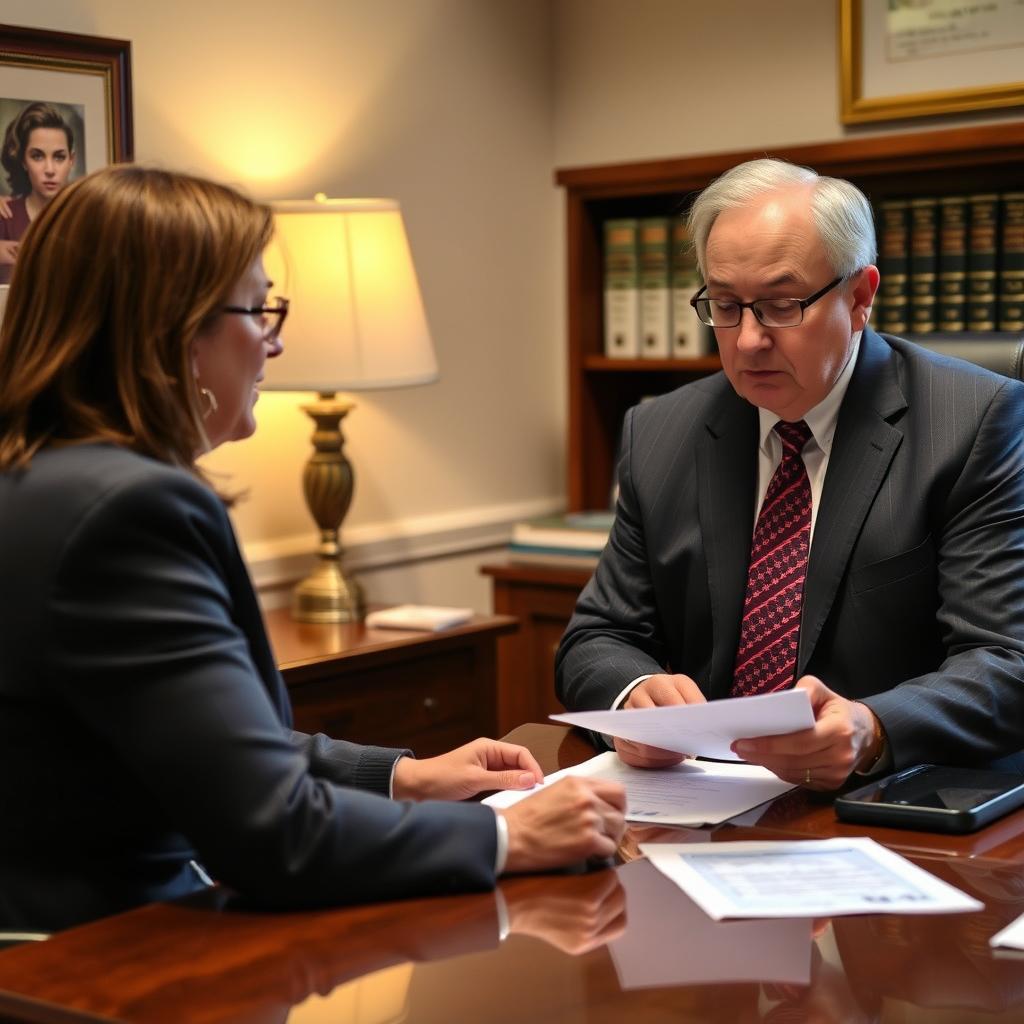
What happens at a criminal arraignment in St. Mary’s County
If you have been arrested in St. Mary’s County, you are likely anxious about what comes next. The arraignment is your first formal appearance in court after an arrest. In Maryland, the process begins with an initial appearance before a District Court commissioner, who informs you of the charges and sets bail. The arraignment itself typically follows shortly thereafter and takes place at the District Court of Maryland for St. Mary’s County, located at 23110 Leonard Hall Drive, Leonardtown, MD 20650. During the arraignment, the judge reads the charges against you, advises you of your right to an attorney, and asks you to enter a plea of guilty, not guilty, or—with the court’s permission—nolo contendere. If you cannot afford a lawyer, you may apply for a public defender. Bail conditions are also reviewed at this stage, and the court may modify them if circumstances warrant. Whether you are facing a misdemeanor or a felony, the arraignment sets the procedural path for your case. For guidance about your specific situation, reach Law Offices Of SRIS, P.C. at (888) 437-7747. Law Offices Of SRIS, P.C. – Advocacy Without Borders.
What to Expect at Your Arraignment in St. Mary’s County
Arraignment in St. Mary’s County follows a structured process governed by Maryland law. For misdemeanors, the District Court of Maryland for St. Mary’s County handles the case. Felony charges start in District Court for the initial appearance and arraignment, but the trial takes place in the St. Mary’s County Circuit Court if the case proceeds beyond the preliminary hearing stage. After arrest, a District Court commissioner will set bail, and you are entitled to a bail review hearing within 24 hours if you remain in custody. At the arraignment, the judge will confirm your identity and formally advise you of the charges. You will be asked to enter a plea. In many cases, the court will not set a trial date at the arraignment; instead, a scheduling conference or preliminary hearing date will be assigned, depending on the severity of the offense. Court costs for misdemeanor cases in the District Court vary, though additional assessments may apply.
St. Mary’s County courts serve a broad region that includes Leonardtown, Lexington Park, California, Great Mills, Hollywood, and Mechanicsville. The District Court at 23110 Leonard Hall Drive operates Monday through Friday during normal business hours. Maryland permits pretrial release on personal recognizance, cash bail, or conditions of release, and the court considers factors such as community ties and the nature of the offense when making bail decisions. If you have been charged with a felony, the District Court will conduct a preliminary hearing to determine whether probable cause exists to move the case forward. You have the right to counsel at every stage, and an experienced attorney can explain the procedural options and help you enter an appropriate plea.
Frequently Asked Questions
What exactly happens at a criminal arraignment in St. Mary’s County?
At the arraignment, the judge reads the charges, explains your right to an attorney, and asks you to enter a plea of guilty, not guilty, or nolo contendere. This is the first formal court proceeding after arrest. The court also reviews bail conditions and may schedule a future hearing date. The process is typically brief, lasting only a few minutes, but it is a critical step in your case because the plea you enter affects everything that follows.
When will my arraignment occur after an arrest in St. Mary’s County?
Arraignments usually take place within a few days after the arrest, depending on the court’s docket and whether the accused is in custody. If you are held in detention, the court will schedule the arraignment promptly to ensure your constitutional rights are not violated. If you are released on your own recognizance or bond, the arraignment may be set out further to accommodate the court’s calendar.
How is bail decided at arraignment in St. Mary’s County?
Bail is initially set by a District Court commissioner, and the judge at arraignment may review and modify those conditions. Maryland law allows release on personal recognizance, cash bail, or conditions such as supervision or drug testing. The court weighs the seriousness of the charges, your ties to the community, and your prior record. If you remain detained, you have a right to a bail review hearing within 24 hours.
Can I represent myself at arraignment?
You have the right to represent yourself, but doing so is rarely advisable, especially for serious charges. Even at this early stage, procedural choices can have lasting consequences. An experienced attorney can assess the strengths of the prosecution’s case, argue for reduced bail or release on recognizance, and help you decide how to plead. Contact Law Offices Of SRIS, P.C. at (888) 437-7747 to discuss your defense before your arraignment.
What should I bring with me to the arraignment?
Bring your government-issued photo identification, any court papers you have received, and a list of questions for your attorney. Dress conservatively and arrive early to navigate security and find the courtroom. If you have retained private counsel, your attorney will typically go over what to expect and may bring documents to support a bail argument. Do not bring any items prohibited by the court’s security screening.
What happens if I miss my arraignment date?
If you fail to appear for your arraignment, the judge may issue a bench warrant for your arrest. You could face additional charges and your bail may be forfeited. Missing court also weakens your standing with the judge and may result in your being held without bail. If you cannot attend on the scheduled day, contact an attorney immediately to seek a postponement or explain your circumstances.
Will I go to trial right after the arraignment?
No; the arraignment is only the start of the case. Trials are not held at arraignment. After the plea is entered, the court sets dates for pretrial motions, discovery, and possibly a scheduling conference. Misdemeanor trials in District Court often occur within a few months, while felony trials in Circuit Court take longer. Your attorney can provide a more specific timeline based on the court’s calendar.
What is the difference between an arraignment and a preliminary hearing?
An arraignment focuses on the plea and bail; a preliminary hearing tests whether the state has sufficient evidence to proceed with felony charges. Both occur in the District Court, but the preliminary hearing is held only for felonies. At the preliminary hearing, the State’s Attorney presents evidence to show probable cause, and the defense may cross-examine witnesses. If probable cause is found, the case is transferred to Circuit Court.
Do I need a lawyer for a misdemeanor arraignment?
While not legally required, having a lawyer at your misdemeanor arraignment can significantly affect the outcome. Many misdemeanors in Maryland carry potential jail time and fines. An attorney can negotiate with the State’s Attorney, argue for a probation before judgment (PBJ) disposition that avoids a conviction, or identify weaknesses in the case. To discuss your defense, call (888) 437-7747.
What is Probation Before Judgment (PBJ) and can it be addressed at arraignment?
PBJ allows a judge to place you on probation without entering a conviction, and your attorney can begin discussing this possibility early, including at arraignment. While the PBJ order is entered at sentencing, signaling its availability early can influence the case’s direction. PBJ is available for many misdemeanors and some felonies. After successful completion of probation, you can seek expungement after three years.
How can I get my record expunged after a case in St. Mary’s County?
Expungement is available for acquittals, dismissals, nolle prosequi outcomes, stet dockets, and PBJ cases after a three-year waiting period, among other dispositions. The petition is filed in the court where the case was heard. Maryland’s Justice Reinvestment Act expanded expungement eligibility for certain nonviolent convictions. An attorney can review your record and advise whether you qualify.
What should I do if I cannot afford an attorney for my arraignment?
At your initial appearance, the commissioner will advise of your right to counsel and explain how to apply for a public defender. Eligibility is based on income. If you do not qualify for a public defender but still find private fees challenging, many firms offer payment plans. You can also seek a consultation with a private attorney to understand your options before your arraignment date.
About Mr. Sris and His Of Counsel Team
Law Offices Of SRIS, P.C. was founded in 1997 by Mr. Sris, a former prosecutor with extensive criminal trial experience. Mr. Sris is admitted in Virginia, Maryland, the District of Columbia, New Jersey, and New York, and he works with a dedicated team of Of Counsel attorneys to serve clients throughout the state. Mr. Sris testified before the Virginia House Courts of Justice Committee in support of 2019 HB 635 (chief patron Del. David Bulova). His background provides a thorough understanding of the justice system from both sides of the courtroom. Mr. Sris and his Of Counsel bring over 120 years of combined legal experience and have achieved 4,739+ documented firm-wide results in criminal defense matters. Results may vary. For a consultation about your St. Mary’s County case, reach our Rockville location at (888) 437-7747.
Related criminal defense pages: Criminal defense lawyer in Montgomery County, Criminal defense lawyer in Prince George’s County, Criminal defense lawyer in Howard County.
Attorney advertising. Prior results do not guarantee a similar outcome.
Case results depend on a variety of factors unique to each case.