
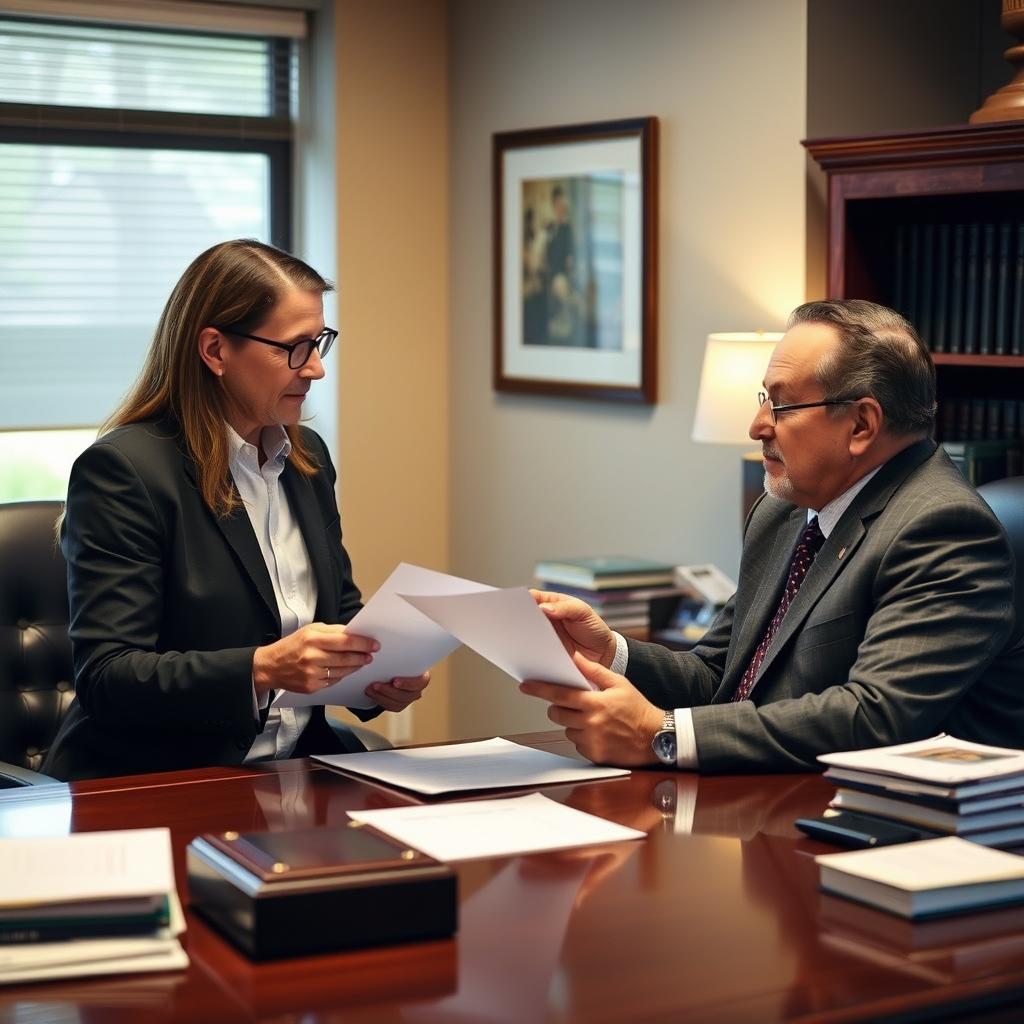
What happens at a criminal arraignment in Saratoga County
An arraignment is the first court appearance after a criminal arrest in Saratoga County, where the defendant is formally advised of the charges and enters a plea. In Saratoga County, the court that handles your arraignment depends on the level of the offense. Misdemeanors are arraigned in the local criminal court—typically one of the town or village courts or the centralized Saratoga County Criminal Court. Felony charges begin with an arraignment in the city or town court and then proceed to the Saratoga County Supreme Court Criminal Term after indictment. At arraignment, the judge reads the charges, advises you of your right to an attorney, and addresses the issue of bail. New York’s 2020 bail reform eliminated cash bail for most misdemeanors and non‑violent felonies, so many defendants are released on their own recognizance. However, bail may still be set for certain violent felonies and qualifying offenses. If you or a family member has been arrested and is facing an arraignment, it is important to have experienced counsel at this early stage. To discuss your situation, reach Law Offices Of SRIS, P.C. at (888) 437‑7747. Law Offices Of SRIS, P.C. – Advocacy Without Borders.
Your Arraignment in Saratoga County: Steps and What to Expect
When you are arrested and taken into custody, law enforcement must bring you before a judge within a reasonable time—usually within 24 hours—for your arraignment. The proceeding itself is relatively brief, but it sets the foundation for the rest of the case. If the charge is a misdemeanor or a violation, the arraignment occurs in one of the local criminal courts of Saratoga County, such as the Saratoga Springs City Court, the Ballston Town Court, or the county-level centralized court. For felony arrests, the initial arraignment is still in local court; after a grand jury indictment, the case transfers to the Saratoga County Supreme Court Criminal Term for further proceedings.
During the arraignment, several things happen in sequence. First, the judge informs you of the specific charges filed, typically reading the statute and the factual allegations. Second, you are advised of your rights, including the right to remain silent, the right to an attorney, and the right to a jury trial. If you cannot afford a lawyer, the court may assign counsel through the public defender’s office or the 18‑B panel. Third, the judge addresses the issue of release. Under New York’s reformed bail laws, cash bail is no longer required for the vast majority of misdemeanors and non‑violent felonies; instead, you may be released on your own recognizance or issued a desk appearance ticket. Bail is reserved for certain violent felonies and statutory exceptions. Fourth, you will be asked to enter a plea. Almost always, a plea of not guilty is entered at this stage to preserve all legal options while your attorney reviews the evidence. Finally, the court schedules the next date—often a pretrial conference or a preliminary hearing in felony cases. The entire process is procedural, but having a knowledgeable advocate by your side ensures that a misstep early on does not negatively affect the outcome.
Frequently Asked Questions
What exactly happens at a criminal arraignment in Saratoga County?
At a criminal arraignment in Saratoga County, the judge formally reads the charges, advises you of your rights, considers bail, and asks you to enter a plea. The proceeding is the first court appearance after an arrest and is typically scheduled within 24 hours of being taken into custody. For misdemeanors it occurs in a local criminal court; for felonies the initial arraignment is also in local court, with later proceedings in Saratoga County Supreme Court. Your plea of not guilty is almost always entered at this stage, and the court sets the next date for your case. Having an attorney at the arraignment can help secure a favorable release condition and ensure the case is handled properly from the start.
Will I be released after an arraignment in Saratoga County?
Under New York’s 2020 bail reform, most people charged with misdemeanors and non‑violent felonies are released on their own recognizance after arraignment without having to post cash bail. The judge will impose conditions such as returning for future court dates and may order supervision by pretrial services. Bail is only required for certain violent felonies, sex offenses, and a few other qualifying charges. If bail is set, you can post it directly or through a bondsman. Your attorney can advocate for the least restrictive release conditions based on your ties to the community, employment, and lack of prior history.
Do I need a lawyer for my arraignment in Saratoga County?
You are not required to have a lawyer for arraignment, but having an experienced criminal defense attorney can affect the course of your case. At arraignment, the judge will advise you of your right to counsel. If you cannot afford to hire a private attorney, the court will assign a public defender or a lawyer from the 18‑B panel. Retaining counsel before the arraignment allows your attorney to be present, argue for your release on favorable terms, and begin evaluating the prosecution’s evidence immediately. This early involvement is often critical in securing a positive resolution later.
What plea should I enter at an arraignment in Saratoga County?
Almost all defendants enter a plea of not guilty at the arraignment stage. This preserves the right to challenge the evidence, file motions, and negotiate a possible plea agreement later. Pleading guilty at the arraignment is rarely advisable without first having an attorney review the prosecution’s case. Even if you believe you are innocent, a not‑guilty plea is the standard first step. After the arraignment, your attorney will obtain discovery and can then discuss how you wish to proceed.
Can I get an adjournment in contemplation of dismissal at an arraignment in Saratoga County?
An Adjournment in Contemplation of Dismissal (ACD) is generally offered later in the process, not at the arraignment itself. Under New York law, a first‑offense ACD allows the case to be adjourned for six months to one year, after which the charges are dismissed if no new arrests occur. While it is not decided at arraignment, your attorney can discuss whether you might be eligible. The judge will typically accept a not‑guilty plea at arraignment and then set the matter for a conference where a plea offer or an ACD can be considered.
What is the difference between a misdemeanor and a felony arraignment in Saratoga County?
Misdemeanor arraignments happen in local criminal courts, while felony arraignments begin in local court and the case later proceeds to Saratoga County Supreme Court after indictment. At the initial felony arraignment, the judge will advise you of the charges, set bail or release conditions, and schedule a preliminary hearing unless the prosecutor obtains an indictment first. The actual trial of a felony is held at the Supreme Court level in Ballston Spa. Misdemeanors, on the other hand, are tried entirely in the local court. The bail considerations also differ because bail reform treats felonies differently from most misdemeanors.
What are the potential consequences of a criminal conviction in Saratoga County?
A conviction can result in jail or prison time, fines, probation, and a permanent criminal record that affects employment, housing, and immigration status. In New York, a Class A misdemeanor carries up to one year in jail; a felony can lead to a multi‑year state prison sentence. Beyond the direct penalties, a conviction may disqualify you from certain professional licenses, limit your right to possess firearms, and, for non‑citizens, trigger removal proceedings. Because the stakes are high, working with an experienced defense team from the earliest stage is essential.
Should I speak to the police before my arraignment in Saratoga County?
You have the right to remain silent, and it is generally in your interest to exercise that right until you have spoken with an attorney. Anything you say to law enforcement before or after arrest can be used against you in court. Invoke your right to counsel immediately and politely decline to answer questions. Once your attorney is present, they can determine whether it is appropriate for you to make a statement. This protection applies regardless of whether you are questioned at the police station or at the courthouse.
How can I find a criminal defense lawyer in Saratoga County?
You can reach a multi‑state firm that serves clients in Saratoga County by calling Law Offices Of SRIS, P.C. at (888) 437‑7747. Our firm represents individuals facing criminal charges throughout New York State, with Mr. Sris personally involved in complex matters. All consultations are by appointment, and our phones are answered 24 hours a day. We offer representation in city, town, and county courts across the Capital District, including the Saratoga County courts. To schedule a time to discuss your arraignment and the charges you are facing, contact us today.
About Mr. Sris and His Of Counsel
Mr. Sris, Owner and Founder of Law Offices Of SRIS, P.C., has practiced since 1997 and is admitted to the bars of Virginia, Maryland, the District of Columbia, New Jersey, and New York. A former prosecutor, he brings firsthand understanding of how the state builds its case and uses that perspective to develop effective defense strategies. Mr. Sris testified before the Virginia House Courts of Justice Committee in support of 2019 HB 635 (chief patron Del. David Bulova). He and his Of Counsel handle criminal matters across New York, including arraignments in Saratoga County. The firm’s collective experience and multi‑state resources allow it to address both simple and complex charges. Across its practice areas, the firm has documented over 4,700 case results with a favorable outcome rate exceeding 93 percent. Results may vary.
For a confidential consultation about your situation, reach Law Offices Of SRIS, P.C. at (888) 437‑7747. Our New York location serves clients in Saratoga County and throughout the Capital District.
Attorney advertising. Prior results do not guarantee a similar outcome. Case results depend on a variety of factors unique to each case. Results may vary.