
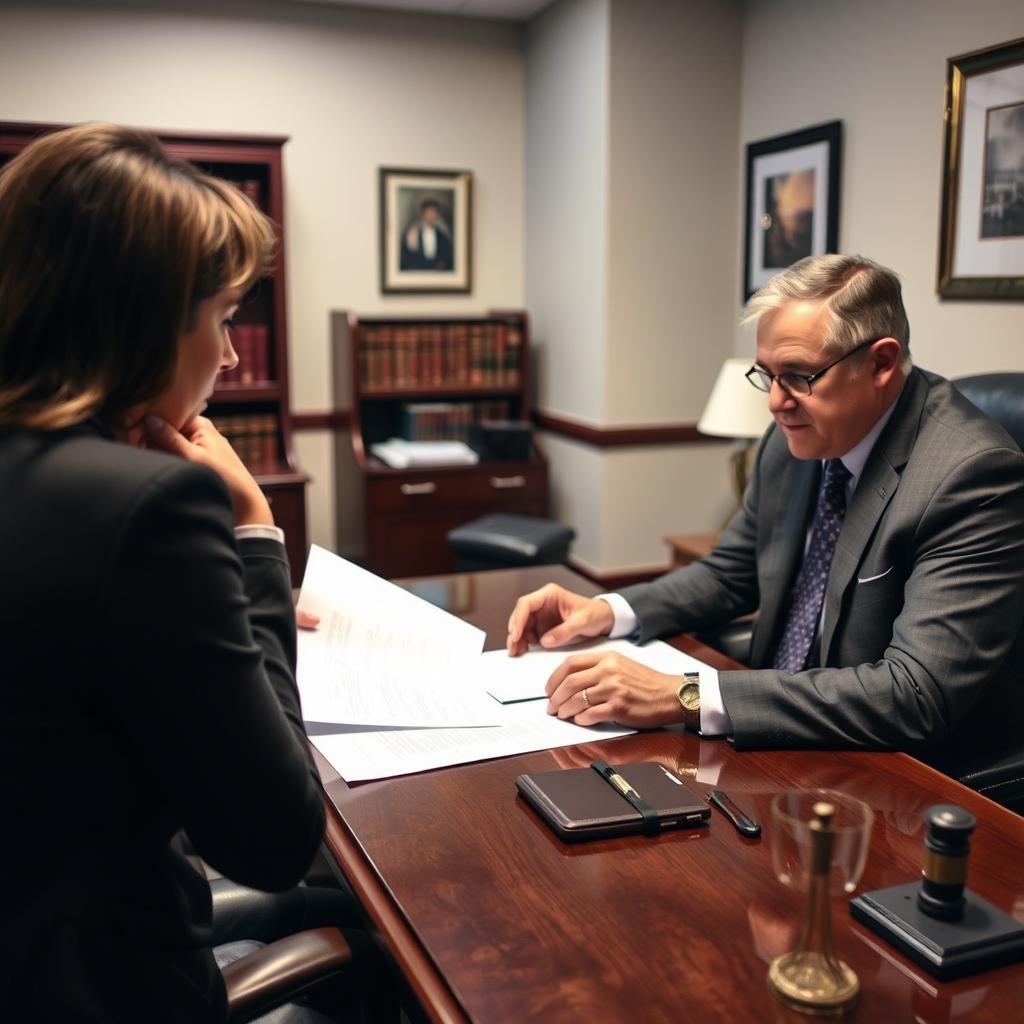
How long does a criminal case take in Cayuga County
The timeline for a criminal case in Cayuga County depends on the nature of the charges, the complexity of the matter, and the court’s docket. Misdemeanor charges—prosecuted in the local criminal courts—often proceed more quickly than felonies, which are handled in Cayuga County Supreme Court. The court, at 152 Genesee Street in Auburn, operates Monday through Friday from 9:00 a.m. To 5:00 p.m., and its calendar significantly influences scheduling. Cases that resolve through a plea agreement or diversion program can conclude in a shorter timeframe, while those that go to trial typically require more time. Mr. Sris and his Of Counsel bring extensive combined legal experience to criminal defense. Results may vary. To discuss the timeline that may apply in your situation, reach Law Offices Of SRIS, P.C. at (888) 437-7747.
Factors That Shape Criminal Case Timelines in Cayuga County
Criminal proceedings in Cayuga County follow a structured path that begins with arraignment and can extend through motions, hearings, and trial. No single deadline governs every case. Misdemeanors—such as disorderly conduct, petty theft, or simple assault—are processed in a local criminal court. The judge schedules conferences and hearings based on the court’s availability, and a case can be resolved in weeks to months, depending on how quickly discovery is completed and whether the parties negotiate a resolution.
Felony charges, including burglary, drug distribution, or violent offenses, proceed in Cayuga County Supreme Court. Here the process typically involves a grand jury proceeding, more extensive discovery, and motion practice. The prosecution’s compliance with speedy-trial obligations under New York law (CPL § 30.30) can affect the pace, but the actual calendar time depends on the court’s caseload, the complexity of the legal issues, and whether the defendant elects a bench or jury trial. The Cayuga County Supreme Court’s regular business hours are Monday through Friday, 9:00 a.m. To 5:00 p.m., and counsel must plan filings accordingly.
Frequently Asked Questions
What is a typical timeline for a misdemeanor case in Cayuga County?
A misdemeanor case in Cayuga County usually progresses over weeks to months, but the exact timing varies with the court’s schedule and the nature of the charge. After an arrest or summons, the defendant is arraigned in a local criminal court. The court then sets dates for conferences and, if necessary, a trial. Many misdemeanors are resolved through a negotiated plea or an Adjournment in Contemplation of Dismissal (ACD), which can shorten the process. Cases that proceed to trial take longer due to witness availability and the court’s docket. To discuss case-specific timing, contact Law Offices Of SRIS, P.C. at (888) 437-7747.
How long does a felony case take in Cayuga County?
Felony cases in Cayuga County generally take longer than misdemeanors and often extend for several months to more than a year, depending on the charge and whether the case goes to trial. After an initial appearance, the case moves to a grand jury for possible indictment, then to Cayuga County Supreme Court. Motion practice, discovery review, and suppression hearings can add time. If a plea is not reached, the court schedules a trial date. The timeline also reflects the prosecution’s obligation to demonstrate readiness for trial. For a consultation on felony defense, reach Mr. Sris and his Of Counsel at (888) 437-7747.
Does New York’s speedy-trial law affect how long a case takes in Cayuga County?
Yes, New York Criminal Procedure Law § 30.30 requires the prosecution to declare readiness for trial within statutory periods, but the actual calendar time remains subject to court scheduling and case complexity. The law imposes benchmarks tied to the most serious charge, and delays caused by defense motions or court congestion may be excluded from the calculation. While the statutory framework encourages timely resolution, it does not guarantee a specific end date. An experienced defense attorney can evaluate whether a speedy-trial motion is appropriate. To discuss your case, reach Law Offices Of SRIS, P.C. at (888) 437-7747.
Can a criminal case in Cayuga County be resolved without going to court?
Yes, many criminal cases in Cayuga County are resolved through plea agreements, diversion programs, or ACD dispositions that do not require a trial. For eligible first-time offenders, an Adjournment in Contemplation of Dismissal may result in charges being dismissed after a period of good behavior. Other cases may be settled through negotiations between the defense attorney and the prosecutor, resulting in a reduced charge or a recommended sentence that the judge accepts. Even when a case does not go to trial, court appearances remain part of the process. For a discussion of resolution options, reach our firm at (888) 437-7747.
What court handles criminal cases in Cayuga County?
Misdemeanors and violation-level offenses are heard in the local criminal courts of Cayuga County, while felonies are adjudicated in Cayuga County Supreme Court, located at 152 Genesee Street, Auburn, NY 13021. The Supreme Court also handles felony-level criminal matters, including pretrial motions, grand jury indictments, and jury trials. The local criminal court manages arraignments, preliminary hearings, and trials for lower-level offenses. Both courts follow the procedural rules of the New York Unified Court System. For directions to the courthouse or help preparing for an appearance, contact Law Offices Of SRIS, P.C. at (888) 437-7747.
How do pretrial motions affect the timeline of a criminal case in Cayuga County?
Pretrial motions can extend the timeline of a criminal case because they require written submissions, responses, and a judge’s ruling before the case can proceed to trial or resolution. Motions to suppress evidence, to dismiss the charges, or to compel discovery are typical in felony matters. Each motion follows a schedule set by the court, and the judge’s decision may not be immediate. While these motions take time, they are often essential to building a well-prepared defense. Case results depend on a variety of factors unique to each case. To discuss strategy, reach Mr. Sris and his Of Counsel at (888) 437-7747.
What factors most influence how long a criminal case takes in Cayuga County?
The main factors that influence a criminal case timeline are the severity of the charge (misdemeanor or felony), the court’s docket, the number of pretrial motions, and whether the defendant seeks a trial or a negotiated resolution. Additional considerations include the availability of witnesses, the complexity of the evidence, and the time needed to review discovery. Cases in which the prosecution and defense reach an early agreement tend to conclude sooner, while contested hearings and jury trials add months. For a personalized assessment, reach our firm at (888) 437-7747.
Do first-time offenders have options to resolve a case more quickly in Cayuga County?
Yes, first-time offenders may be eligible for diversion programs or conditional dispositions that can lead to a faster resolution and a dismissal of the charges. New York law provides for Adjournment in Contemplation of Dismissal (ACD) for certain low-level offenses, which means the court adjourns the case for a period and dismisses it if the defendant complies with conditions. Drug treatment courts and other specialty programs may also be available. An experienced defense attorney can identify whether these programs apply in a particular case. To discuss diversion possibilities, contact Law Offices Of SRIS, P.C. at (888) 437-7747.
How does the discovery process affect the timeline of a criminal case in Cayuga County?
Discovery—the exchange of police reports, witness statements, and other evidence—can add weeks to months to a case, especially when voluminous records are involved. Under New York’s criminal discovery reform, the prosecution must provide discovery materials within certain timeframes. The defense needs adequate time to review and investigate the evidence before deciding on a plea or preparing for trial. Delays in receiving or processing discovery can push back hearing dates. To understand how discovery may affect your case timeline, reach Law Offices Of SRIS, P.C. at (888) 437-7747.
What should I do if I have been charged with a crime in Cayuga County and am worried about how long the case will take?
The first step is to speak with an experienced defense attorney who can explain the typical steps in the process and work toward a resolution that fits your situation. An attorney can appear with you at arraignment, negotiate with the prosecutor, and identify opportunities to expedite the case or seek dismissal. Early intervention often matters. For a consultation, reach Mr. Sris and his Of Counsel at (888) 437-7747.
About Mr. Sris and His Of Counsel Team
Mr. Sris, Owner and Founder of Law Offices Of SRIS, P.C., is a former prosecutor who has practiced criminal defense since 1997. Mr. Sris testified before the Virginia House Courts of Justice Committee in support of 2019 HB 635 (chief patron Del. David Bulova). He is admitted in Virginia, Maryland, the District of Columbia, New Jersey, and New York. Alongside his Of Counsel team, Mr. Sris brings extensive combined legal experience to criminal matters at every level of court in Cayuga County. Results may vary. For a consultation, reach our firm at (888) 437-7747.
Criminal Defense in Manhattan | Queens criminal defense representation | Nassau County criminal defense practice
Attorney advertising. Prior results do not guarantee a similar outcome. Case results depend on a variety of factors unique to each case. Results may vary.