
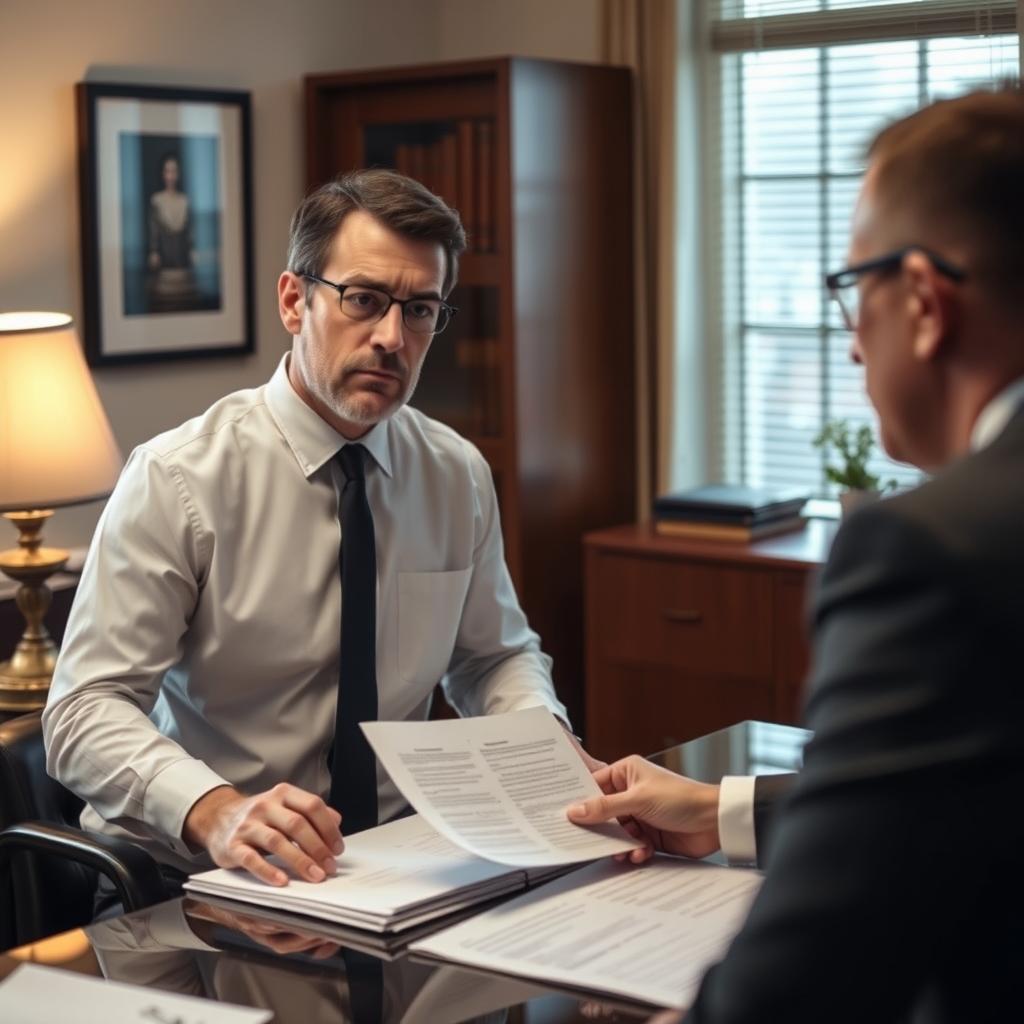
Do I need a lawyer for an uncontested divorce in Queens County
You are not legally required to hire an attorney to file an uncontested divorce in Queens County, but having experienced legal guidance helps ensure the process moves forward without procedural setbacks. Even when both spouses agree on the terms, New York law imposes specific requirements for grounds, residency, paperwork, and service of process. An attorney familiar with the Queens County Supreme Court can anticipate issues that might delay the final judgment. Mr. Sris and his Of Counsel team at Law Offices Of SRIS, P.C. represent individuals in uncontested divorce matters throughout Queens County. Reach our firm at (888) 437-7747 to request a consultation. Law Offices Of SRIS, P.C. – Advocacy Without Borders.
What Is an Uncontested Divorce in Queens County?
An uncontested divorce occurs when both spouses agree to end the marriage and have resolved all related issues—including property division, spousal support, and child custody and support—without needing a trial. In Queens County, the divorce is filed in the New York Supreme Court, the trial‑level court that handles matrimonial actions. The case proceeds on papers, and a final hearing is typically brief, with the judge confirming that the legal requirements have been met before signing the judgment.
Under New York’s Domestic Relations Law §170(7), the most common ground for an uncontested divorce is the irretrievable breakdown of the marriage for at least six months. The couple does not need to prove fault, and the court does not examine the reasons for the breakdown. Even with mutual agreement, however, the process still involves drafting and filing a summons and complaint, serving the defendant spouse, preparing a sworn statement of net worth, and submitting the final judgment package. Mistakes at any stage can result in the court rejecting the papers or scheduling unnecessary hearings. An attorney who concentrates in family law in Queens County can help you complete each step accurately.
Frequently Asked Questions
What is an uncontested divorce in New York?
An uncontested divorce is one where both spouses agree on all issues, including the division of marital property, spousal maintenance, and any matters involving children. One spouse files a summons and complaint, and the other spouse either does not appear or files a waiver. The court reviews the paperwork and, if everything is in order, grants the divorce without a trial. This approach is generally faster and less adversarial than a contested proceeding.
How does the uncontested divorce process work in Queens County?
The process begins by filing a summons and complaint with the Queens County Supreme Court, located at 88‑11 Sutphin Boulevard, Jamaica, NY 11435. After filing, the papers must be served on the defendant spouse. Once the defendant responds or the time to respond expires, the parties exchange financial disclosures and submit the required documents. The court reviews the file and schedules a final hearing. At the hearing, the judge verifies that the grounds exist and that all procedural requirements are satisfied before signing the judgment of divorce.
What are the grounds for an uncontested divorce in New York?
New York allows a no‑fault divorce based on the irretrievable breakdown of the marriage for a period of at least six months, as set out in Domestic Relations Law §170(7). This is the straightforward ground commonly used in uncontested cases. The alternative ground of living apart under a separation agreement is also available but is less common in contemporary practice. Fault‑based grounds, such as cruelty or adultery, may be asserted in a contested divorce but are rarely part of an uncontested matter.
Do I need a separation agreement for an uncontested divorce?
No, a separation agreement is not required when the divorce is based on the irretrievable breakdown ground. Nevertheless, many couples choose to execute a comprehensive settlement agreement that resolves all economic and parenting issues. A well‑drafted agreement can eliminate the need for a later court intervention and may simplify the uncontested filing. Whether an agreement is advisable depends on the complexity of the marital estate and the specific circumstances of the family.
Can I handle an uncontested divorce without a lawyer?
You are not legally required to have an attorney, but the paperwork, legal procedures, and potential for unforeseen issues make legal representation advisable. A pro se filer must still comply with the same statutes and court rules as an attorney. Errors in the forms, incomplete financial disclosures, or improper service can cause significant delays or even dismissal. An attorney can also identify rights or obligations that a party might overlook, such as a claim to a portion of a pension or a need for a Qualified Domestic Relations Order.
How much does an uncontested divorce cost in Queens County?
Costs vary depending on the complexity of the case and the fees charged by the attorney handling the matter. Court filing fees are set by statute, but the overall expense includes attorney fees, service‑of‑process costs, and any necessary disbursements. A consultation with Mr. Sris and his Of Counsel can provide a clearer picture of the anticipated costs based on the particular facts of your situation.
How long does an uncontested divorce take in Queens County?
The timeline depends on the court’s calendar and how promptly all required documents are prepared and filed. Once the summons and complaint are served and the defendant’s time to respond has passed, the parties submit the final judgment package. The court then schedules a hearing, which may take several weeks to months, depending on the judge’s available docket. The goal is to move the matter forward without unnecessary delays, but no specific completion date can be past results do not guarantee a similar outcome.
What happens at the final divorce hearing?
At the final hearing, the judge reviews the paperwork and may ask the plaintiff a few questions to confirm that the grounds for divorce are met and that both parties consent. The hearing is usually brief, often lasting only a few minutes. If the court is satisfied that all legal requirements have been fulfilled, the judge signs the judgment of divorce. The signed judgment is then entered by the clerk, and the divorce becomes final.
Can I file for an uncontested divorce if my spouse is outside the country?
Yes, as long as the New York residency requirement is met and proper service of process is accomplished. Service abroad may require compliance with the Hague Service Convention or other internationally recognized methods. The court must be satisfied that the defendant received actual notice of the divorce action. An attorney experienced in cross‑border family law matters can guide you through the additional procedural steps.
What is the residency requirement for divorce in New York?
At least one spouse must have resided in New York for a continuous period of one year immediately before filing, or the parties must meet one of the other statutory alternatives set out in Domestic Relations Law §230. For example, the one‑year requirement may be satisfied if the couple married in New York and either spouse has lived in the state continuously for one year before the filing. The same residency rules apply in Queens County.
What if my spouse and I have children?
If minor children are involved, the divorce judgment must address custody, visitation, and child support, even when the parties agree on all terms. The court will review the proposed parenting plan to ensure it serves the best interests of the children. New York’s Child Support Standards Act sets guidelines for calculating support, and the final order must either follow those guidelines or explain any deviation. An attorney can help prepare the required child‑support worksheets and custody stipulation.
Can the terms of an uncontested divorce be modified later?
Some provisions, such as child support and custody, may be modified if there has been a substantial change in circumstances. Property‑division terms and spousal‑maintenance waivers, on the other hand, are generally final and non‑modifiable unless the agreement expressly allows for modification. It is important to understand which parts of the divorce settlement can be revisited before signing the final papers.
About Mr. Sris and His Of Counsel Team
Mr. Sris, Owner and Founder of Law Offices Of SRIS, P.C., has practiced law since 1997 and is a former prosecutor. He is admitted in Virginia, Maryland, the District of Columbia, New Jersey, and New York. Mr. Sris testified before the Virginia House Courts of Justice Committee in support of 2019 HB 635 (chief patron Del. David Bulova). His experience in litigation and family law informs the approach he and his Of Counsel team bring to every uncontested divorce matter in Queens County.
The firm’s Of Counsel attorneys are experienced professionals who work alongside Mr. Sris to assist clients at each stage of the divorce process. Every attorney associated with the firm has extensive experience in family law and understands the procedural requirements of the New York Supreme Court. Reach our New York location at (888) 437-7747 to schedule a consultation and learn how the team can assist with your uncontested divorce.
Attorney advertising. Prior results do not guarantee a similar outcome. Case results depend on a variety of factors unique to each case. Results may vary.