
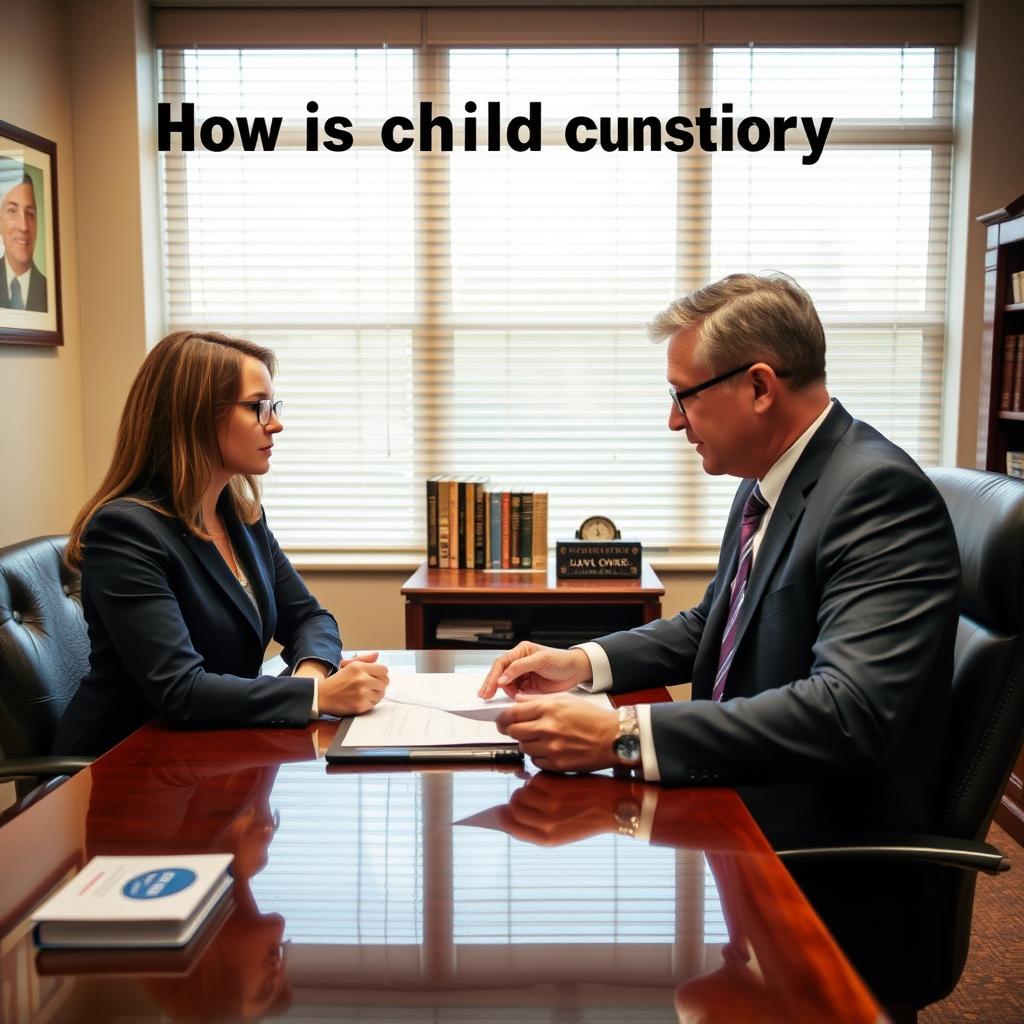
How is child custody decided in Cayuga County
If you are a parent in Cayuga County facing a custody dispute, the central legal question is what arrangement serves your child’s best interests. In New York, child custody is governed by the “best interests of the child” standard. That means a judge does not start from any presumption favoring one parent over another; instead, the court looks at the specific facts of your family. For Cayuga County families, these decisions are made in Cayuga County Family Court, located at 152 Genesee Street in Auburn. The same court handles related matters such as visitation, child support, and orders of protection. The process can feel overwhelming—especially when you are navigating it while managing work, school schedules, and the stress of family transition. Mr. Sris and his Of Counsel team appear regularly in Cayuga County Family Court and understand how these proceedings unfold. Reach Law Offices Of SRIS, P.C. at (888) 437-7747 to discuss your situation. Law Offices Of SRIS, P.C. – Advocacy Without Borders.
The Best Interests Standard in Cayuga County Child Custody Cases
When a judge in Cayuga County decides physical and legal custody, the overriding directive is the best interests of the child. Rather than applying a rigid formula, the court weighs a broad range of factors that reflect the child’s daily life and emotional health. Judges consider the stability and safety of each home environment, each parent’s ability to nurture and guide the child, the quality of the child’s relationship with each parent, and any history of domestic violence or substance abuse. The child’s expressed wishes may also be considered, depending on his or her age and maturity.
The court does not automatically award custody to the mother or to the parent with greater financial resources. Instead, it looks for the arrangement that supports the child’s overall well‑being, including maintaining continuity in schooling, community connections, and relationships with siblings and extended family. In Cayuga County, as throughout New York, a parent’s willingness to encourage the child’s relationship with the other parent is an important factor; a parent who unreasonably interferes with that relationship may be viewed unfavorably. Because the standard is so fact‑intensive, having experienced counsel who can frame your position around the specific circumstances is critical.
The Custody Process in Cayuga County Family Court
A child custody case in Cayuga County typically begins when one parent files a petition in Family Court. The petition outlines the custody or visitation arrangement the parent is requesting. After filing, the court schedules a preliminary conference, followed by a hearing if the parents cannot agree. At every stage, the judge encourages settlement between the parents, but when that is not possible, the court will hold a full fact‑finding hearing where both sides present evidence and testimony.
During the proceeding, the court may appoint an attorney for the child—a lawyer who represents the child’s interests separately from those of either parent. In more complex disputes, the court might also involve a forensic evaluator or a mental‑health professional. These professionals help the judge understand the family dynamics and the child’s needs. The entire timeline varies with the court’s calendar and the complexity of the matter. An experienced attorney can guide you through each phase, from the initial filing to the final order, while protecting your parental rights.
Frequently Asked Questions
What factors does Cayuga County Family Court consider in custody decisions?
Cayuga County Family Court decides custody based on the best interests of the child, weighing factors such as each parent’s caregiving ability, the home environment, the child’s relationship with each parent, and any history of abuse or neglect. New York law does not list a precise formula; instead, the judge considers all relevant circumstances, including the child’s preferences if age‑appropriate. Because the court’s focus is the child’s overall welfare, a parent’s willingness to support the other parent’s relationship with the child often influences the outcome. For advice about how Cayuga County judges apply these factors, contact Law Offices Of SRIS, P.C. at (888) 437-7747.
How does the custody process work in Cayuga County?
A custody case in Cayuga County starts when one parent files a petition in Family Court, followed by a conference and, if needed, a hearing where both sides present evidence. The judge may order temporary relief while the case is pending. If the parents cannot reach an agreement, the court conducts a trial and issues a final custody order. Throughout the proceeding, the child’s needs are central. For assistance navigating the process, reach Mr. Sris and his Of Counsel at (888) 437-7747.
Can a custody order be modified later?
Yes, a Cayuga County custody order can be modified if there has been a significant change in circumstances affecting the child’s best interests. For example, a parent’s relocation, a change in the child’s needs, or concerns about the child’s safety may justify a modification. The parent seeking the change must file a petition showing why the current arrangement no longer serves the child. Courts are cautious about altering established custody patterns, so a clear showing is necessary.
What is the difference between legal and physical custody in New York?
Legal custody means the right to make major decisions about the child’s life—education, medical care, and religious upbringing—while physical custody determines where the child lives. Parents can share legal custody even if one parent has primary physical custody. In Cayuga County, judges often prefer joint legal custody when the parents can communicate effectively, but they will award sole legal custody if one parent is unable to cooperate. For a consultation, reach Law Offices Of SRIS, P.C. at (888) 437-7747.
How is child support related to custody in Cayuga County?
Child support is a separate calculation, but custody arrangements affect the amount because support formulas consider which parent has primary physical custody. New York uses a statutory percentage of combined parental income, capped at a statutory threshold, to determine the basic support obligation. The court then applies a proportional share to each parent based on their income. Because support and custody are linked, changes in parenting time can affect the support order. Mr. Sris and his Of Counsel help clients address both issues together.
Will the court consider my child’s preference in a custody case?
Yes, Cayuga County judges may consider a child’s wishes, but only if the child is mature enough to express a reasoned preference. There is no fixed age at which a child’s opinion becomes controlling; instead, the court evaluates the child’s intelligence, understanding, and experience. The attorney for the child often presents the child’s views to the judge, and the judge determines how much weight to give those views in light of all other best‑interest factors.
What happens if one parent violates the custody order?
If a parent violates a Cayuga County custody order, the other parent can file a violation petition in Family Court. The court can enforce the order through various remedies, including make‑up parenting time, fines, or, in serious cases, a change in custody. Willful interference with court‑ordered visitation is taken seriously. To discuss enforcement options, contact Law Offices Of SRIS, P.C. at (888) 437-7747.
Do I need a lawyer for a child custody case in Cayuga County?
You are not legally required to have a lawyer, but custody cases involve complex legal standards and procedural rules, and having experienced counsel can significantly affect the outcome. An attorney can help you gather the right evidence, present your side persuasively, and cross‑examine witnesses. Self‑represented parents often struggle to understand what the judge considers important. Mr. Sris and his Of Counsel have experience in Cayuga County Family Court and can guide you through the process.
How does relocation affect custody in Cayuga County?
If a parent wishes to relocate with the child, the court must determine whether the move serves the child’s best interests. New York courts apply a multi‑factor test, weighing reasons for the move, the quality of each parent’s relationship with the child, the impact on the child’s education and social life, and the feasibility of a revised visitation schedule. A parent who plans to relocate should seek court permission before moving, as moving without consent can lead to legal consequences.
What can I expect at the first court appearance in a custody case?
At the initial appearance in Cayuga County Family Court, the judge will explain the process, review the petition, and may issue temporary orders regarding custody and visitation. The parties are often encouraged to attempt mediation or settlement. If no agreement is reached, the court will schedule a hearing. You should bring any relevant documents and be prepared to discuss your proposed parenting arrangement. An attorney can help you present a clear and organized position from the start.
About Mr. Sris and His Of Counsel Team
Mr. Sris, Owner and Founder of Law Offices Of SRIS, P.C., is a former prosecutor who has practiced since 1997. Admitted in Virginia, Maryland, the District of Columbia, New Jersey, and New York, he leads a team of Of Counsel attorneys who appear regularly in Cayuga County Family Court. The firm’s New York location supports clients throughout the Finger Lakes region. Mr. Sris and his Of Counsel bring extensive legal experience to child custody matters, working to achieve a resolution that protects your parental rights and your child’s well‑being. To schedule a consultation, call (888) 437-7747.
Related pages:
- New York County Family Law
- Kings County Family Law
- Queens County Family Law
- Richmond County Family Law
- Nassau County Family Law
Attorney advertising. Prior results do not guarantee a similar outcome. Case results depend on a variety of factors unique to each case. Results may vary.