
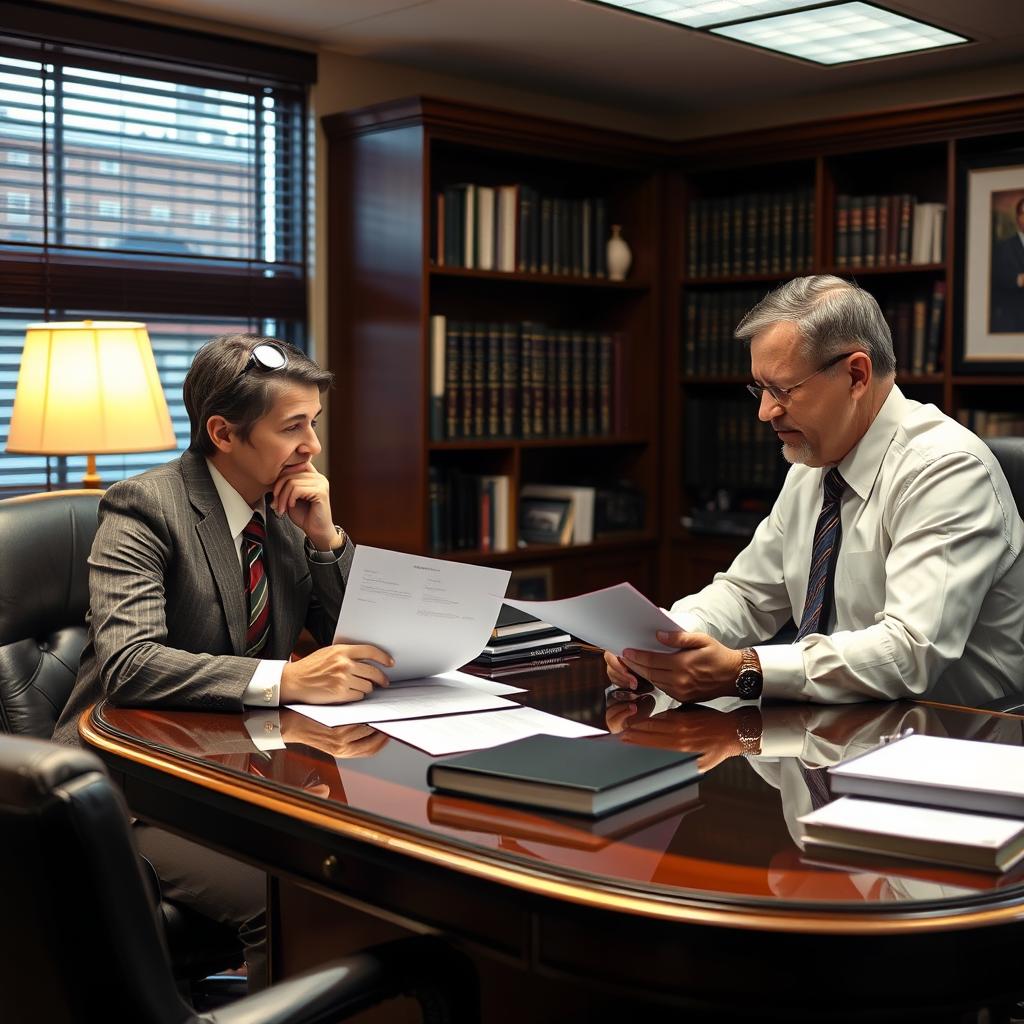
How long does a criminal case take in Columbia Heights
The time a criminal case takes in Columbia Heights depends primarily on whether the charge is a misdemeanor or a felony and the specific circumstances of the case. Misdemeanor cases in D.C. Superior Court typically move from arraignment to trial within two to four months, with arraignment often occurring within 24 hours of arrest. Felony cases take longer—generally six to twelve months or more—because they involve grand jury indictment, pretrial motions, and more complex evidentiary proceedings. Cases are heard at the D.C. Superior Court, Criminal Division, located at 500 Indiana Avenue NW in Washington, D.C., near the Judiciary Square Metro station. Additional factors that affect the timeline include the complexity of the evidence, the availability of witnesses, the court’s calendar, and whether the defendant undergoes a competency evaluation at St. Elizabeths Hospital, which can add thirty to ninety days. If you are facing criminal charges in Columbia Heights, early legal engagement can help you understand the procedural path ahead. To discuss your situation, reach Law Offices Of SRIS, P.C. at (888) 437-7747. Law Offices Of SRIS, P.C. – Advocacy Without Borders.
Understanding Criminal Case Timelines in D.C. Superior Court
Criminal cases originating in Columbia Heights are prosecuted at the D.C. Superior Court, a unique court that handles both local and federal-type matters under a hybrid jurisdiction. The United States Attorney’s Office for the District of Columbia prosecutes most criminal offenses, and the Public Defender Service for D.C. Provides court-appointed representation for those who qualify. The court sits at 500 Indiana Avenue NW, directly accessible from the Judiciary Square Metro station on the Red Line. Columbia Heights residents reach the courthouse via the Green or Yellow Line to Gallery Place or the Red Line to Judiciary Square.
The procedural path begins with an initial appearance and arraignment, followed by status hearings, possible plea negotiations, and—if no resolution is reached—a trial. Misdemeanor cases generally proceed on a shorter track because the charges are less complex and discovery obligations are narrower. Felony cases involve a grand jury presentation, which adds weeks or months before an indictment is returned. The Speedy Trial Act imposes federal time limits, but competent evaluations, motion practice, and plea discussions are all legitimate reasons that extend the timeline. The court’s calendar, the assigned judge’s docket, and the availability of witnesses further influence how long a case takes from start to finish.
Frequently Asked Questions
How long does a misdemeanor case take in D.C. Superior Court?
A misdemeanor case in D.C. Superior Court typically takes two to four months from arraignment to trial. The initial appearance and arraignment usually occur within 24 hours of arrest. After arraignment, the court schedules status hearings to track discovery and plea discussions. Many misdemeanor cases resolve before trial through plea agreements, diversion programs, or deferred sentencing arrangements. Cases that proceed to trial require additional time for motions, witness scheduling, and courtroom availability. The specific timeline varies based on the charge, the assigned judge’s calendar, and whether the defendant undergoes any evaluation or treatment program as part of a deferred disposition.
How long does a felony case take in D.C. Superior Court?
Felony cases in D.C. Superior Court generally take six to twelve months, and complex cases can extend well beyond a year. After arrest, the defendant appears for a presentment and then a preliminary hearing, or the case goes directly to a grand jury. The grand jury process itself can take several weeks. Once an indictment is returned, the case proceeds through arraignment, discovery, motion practice, and status hearings before reaching trial. Cases involving extensive forensic evidence, multiple defendants, or complex legal issues take longer. Competency evaluations at St. Elizabeths Hospital, if ordered, add approximately thirty to ninety days to the timeline.
What factors affect how long a criminal case takes in DC?
Several factors influence the duration of a criminal case: the severity of the charge, the complexity of the evidence, the court’s docket, motion practice, and whether the case resolves by plea or proceeds to trial. Misdemeanor cases generally move faster because the charges are less complex and discovery is more straightforward. Felony cases require grand jury proceedings, more extensive discovery, and more substantive motion practice. Competency or mental-health evaluations pause the timeline. The Speedy Trial Act and D.C. Procedural rules set outer boundaries, but many hearings are continued by agreement of the parties or by court order as the case develops. Your attorney can help you understand what factors are most likely to affect your specific case.
Does DC have cash bail?
No, the District of Columbia does not use a traditional cash bail system. Instead, the Pretrial Services Agency, a federal agency, conducts a risk assessment and makes release recommendations to the court. Most defendants are released on personal recognizance or under supervised conditions without posting money. The court may impose conditions such as stay-away orders, drug testing, or GPS monitoring. For certain serious offenses, the court may order pretrial detention if it finds that no conditions can reasonably ensure community safety or the defendant’s return to court. This system means that a defendant’s financial resources are not the determining factor in pretrial release.
What happens at the arraignment in DC?
At the arraignment in D.C. Superior Court, the defendant is formally advised of the charges and enters a plea of guilty, not guilty, or nolo contendere. For felony cases, the arraignment occurs after a grand jury returns an indictment. For misdemeanors, it typically takes place at the initial appearance or shortly thereafter. The court also addresses pretrial release conditions at this stage. If the defendant pleads not guilty, the court schedules future status hearings and sets a trial date. If the defendant pleads guilty, the court conducts a plea colloquy to ensure the plea is knowing and voluntary before scheduling sentencing. Having counsel present at arraignment helps protect your rights from the earliest stage.
Can a criminal case be resolved without a trial in DC?
Yes, the majority of criminal cases in D.C. Superior Court are resolved without a trial through plea agreements, diversion programs, or deferred disposition arrangements. Plea negotiations between defense counsel and the prosecutor can result in reduced charges, agreed sentencing recommendations, or dismissal of some counts in exchange for a guilty plea to others. First-offender and diversion programs may be available depending on the charge and the defendant’s background. Deferred sentencing allows a defendant to complete conditions such as community service or treatment, after which the charges may be dismissed. An experienced attorney can assess whether a non-trial resolution is achievable and appropriate in your case.
What is the Speedy Trial Act and how does it affect case timelines in DC?
The Speedy Trial Act is a federal statute that sets time limits for bringing a criminal case to trial, generally requiring that trial begin within seventy days of the indictment or initial appearance, whichever is later. However, the Act permits certain periods of delay to be excluded from the calculation—including time for competency evaluations, pretrial motions, plea negotiations, and continuances granted in the interests of justice. In practice, many felony cases in D.C. Superior Court take longer than seventy days to reach trial because of these excludable periods. The Act provides an outer boundary that protects defendants from indefinite delay while accommodating the practical necessities of case preparation.
How does the grand jury process affect felony case timelines in DC?
The grand jury process adds several weeks to the felony timeline because prosecutors must present evidence to a grand jury and obtain an indictment before the case can proceed to trial. After arrest, the government may hold a preliminary hearing or present the case directly to the grand jury. The grand jury meets in secret and hears evidence presented by the prosecutor; the defendant and defense counsel are not present. If the grand jury returns an indictment, the case moves to arraignment. If the grand jury does not indict, the charges may be dismissed or reduced. Because grand jury presentation is a separate proceeding that requires preparation and scheduling, it is one of the primary reasons felony cases take longer than misdemeanors.
Do I need a lawyer for a criminal case in Columbia Heights?
While you are not legally required to hire a lawyer, retaining experienced counsel is one of the most important steps you can take when facing criminal charges in Columbia Heights. Criminal convictions can carry incarceration, fines, probation, and long-term consequences for employment, housing, professional licensing, and immigration status. An attorney can evaluate the evidence, identify procedural issues, negotiate with the prosecutor, and advocate for favorable outcomes. The D.C. Superior Court process involves procedural rules and deadlines that are difficult to navigate without legal training. Early engagement with counsel—before the arraignment if possible—gives your attorney more time to investigate and build a defense strategy. For a consultation, reach Mr. Sris and his Of Counsel at (888) 437-7747.
What should I do if I am arrested in Columbia Heights?
If you are arrested in Columbia Heights, exercise your right to remain silent, ask to speak with an attorney, and do not discuss the facts of your case with law enforcement until you have legal representation. You have the right to a court-appointed attorney through the Public Defender Service for D.C. If you cannot afford private counsel. After arrest, you will be taken to the Metropolitan Police Department’s central processing facility, and you should appear before a judge within 24 hours. At that initial appearance, the court will address release conditions through the Pretrial Services Agency’s risk assessment. Contacting a lawyer as soon as possible helps protect your rights during this critical early phase. Law Offices Of SRIS, P.C. can be reached at (888) 437-7747.
Are there first-offender programs available in DC?
Yes, the D.C. Superior Court offers deferred sentencing and diversion programs for certain first-time offenders, which can result in charges being dismissed upon successful completion. Eligibility depends on the specific charge, the facts of the case, and the defendant’s criminal history. Common programs include community service, drug treatment, anger management, and other rehabilitative conditions. If the defendant completes all program requirements, the court may dismiss the charges, and under D.C. Code provisions, the record may be eligible for sealing. Not every charge qualifies, and the prosecutor must agree to the diversion or deferred disposition. An attorney can help determine whether a first-offender program is available in your case and advocate for that outcome.
How does DC’s unique jurisdiction affect criminal case timelines?
The District of Columbia’s hybrid federal-local jurisdiction means that criminal cases are prosecuted by the United States Attorney’s Office but heard in a local court, which can affect both procedural pacing and available resources. D.C. Superior Court operates under a combination of federal and local rules, and certain procedural protections—including the Speedy Trial Act—apply. The Pretrial Services Agency, a federal agency, handles release assessments rather than a local bail system. This structure can affect how quickly cases move through the system because federal prosecutorial standards and local court calendaring interact in ways that differ from purely state or purely federal jurisdictions. Experienced D.C. Criminal counsel understand these nuances and can help you anticipate how they may affect your case timeline.
About Mr. Sris and His Of Counsel Team
Mr. Sris, Owner and Founder of Law Offices Of SRIS, P.C., has practiced law since 1997 and is admitted in Virginia, Maryland, the District of Columbia, New Jersey, and New York. A former prosecutor, he brings firsthand understanding of how the prosecution builds cases to his defense practice. Mr. Sris testified before the Virginia House Courts of Justice Committee in support of 2019 HB 635 (chief patron Del. David Bulova). He and his Of Counsel team serve clients in Columbia Heights and throughout the District of Columbia from the firm’s Arlington Location at 1655 Fort Myer Drive, Suite 700, Room 719, Arlington, Virginia 22209. The firm has documented 4,739+ case results across all practice areas since 1997. Results may vary. To request a consultation, call (888) 437-7747.
Related pages: Washington, D.C. Criminal Lawyer | Georgetown Criminal Lawyer | Spring Valley Criminal Lawyer | Cleveland Park Criminal Lawyer | Chevy Chase DC Criminal Lawyer
Official resources: D.C. Code | D.C. Superior Court | D.C. Courts
Attorney advertising. Prior results do not guarantee a similar outcome. Results may vary. Case results depend on a variety of factors unique to each case. Engaging Law Offices Of SRIS, P.C. Requires a signed engagement agreement. The firm serves clients in Columbia Heights and throughout the District of Columbia from its Arlington Location. ? 1997-2026 Law Offices Of SRIS, P.C.