
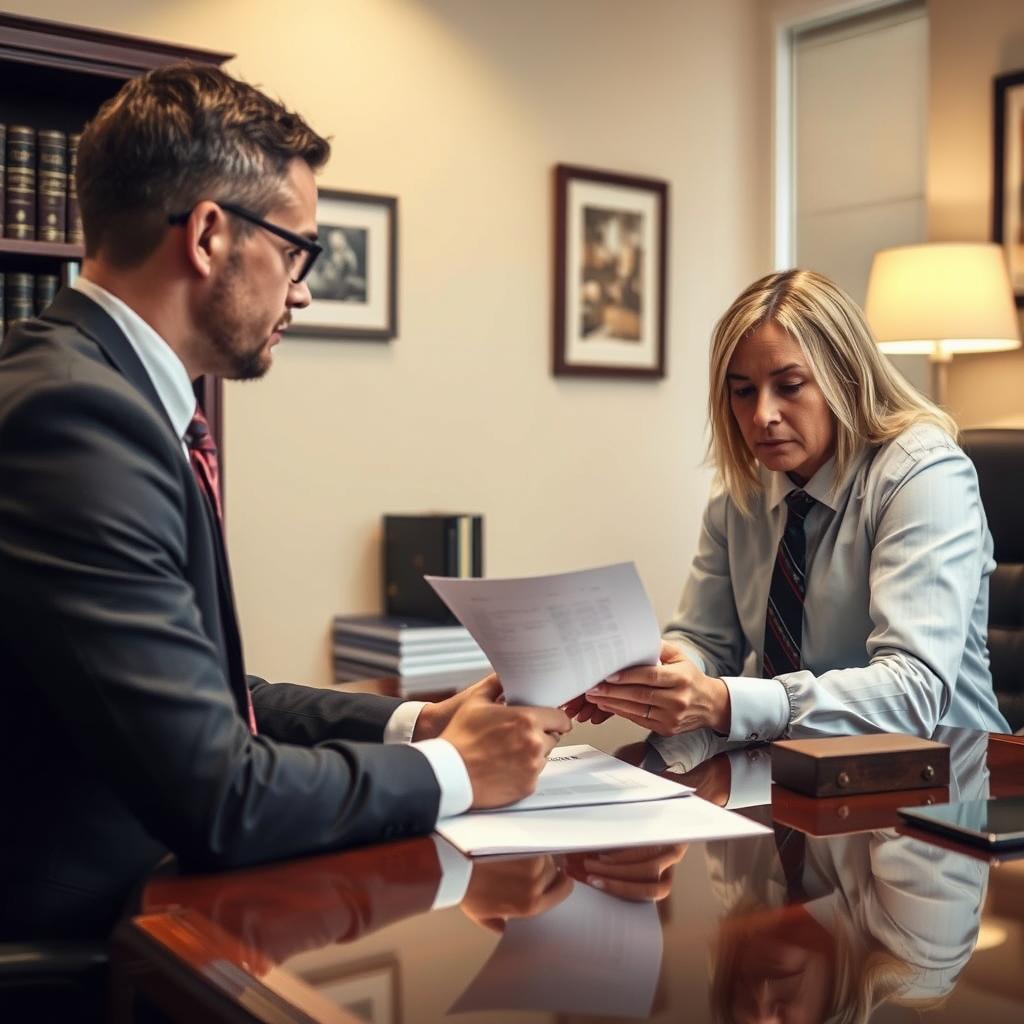
How long does a criminal case take in Woodley Park
The length of a criminal case in Woodley Park depends on whether you are charged with a misdemeanor or a felony and on the specific circumstances of your case. For a misdemeanor in D.C. Superior Court—where all Woodley Park criminal matters are heard—arraignment usually occurs within 24 hours of arrest, and trial typically follows within 2 to 4 months. Felony cases move more deliberately: after presentment or arrest, a grand jury must return an indictment, and trial generally takes 6 to 12 months or longer from the initial court appearance. These timeframes can extend if a competency evaluation is ordered at St. Elizabeths Hospital, which may add 30 to 90 days, or if pretrial motions and discovery disputes arise. The Speedy Trial Act and local D.C. Rules impose deadlines, but the actual pace of a case is shaped by the complexity of the charges, the number of witnesses, and the court’s calendar. For a case-specific assessment, reach Law Offices Of SRIS, P.C. at (888) 437-7747. Law Offices Of SRIS, P.C. – Advocacy Without Borders.
Understanding Criminal Case Timelines in Woodley Park
Woodley Park is a residential neighborhood in Northwest Washington, D.C. Criminal charges that arise in the area—whether from an incident near the National Zoo, along Connecticut Avenue, or in a private residence—are prosecuted by the United States Attorney’s Office for the District of Columbia in the D.C. Superior Court, Criminal Division, located at 500 Indiana Avenue NW. Because the District of Columbia is a unique federal-local hybrid jurisdiction, procedures may differ from those in nearby Maryland or Virginia, and the involvement of the U.S. Attorney’s Office can affect how a case progresses.
Misdemeanor cases often resolve more quickly than felonies. After an arrest, a defendant appears before a magistrate judge within a day. The court then sets conditions of release through the D.C. Pretrial Services Agency, which conducts a risk assessment and may recommend supervised release, stay-away orders, or drug testing. For many first-time or nonviolent misdemeanors, the court may schedule a status hearing and, if no plea agreement is reached, set a trial date a few months out. Felony cases require an additional step: the government must present the case to a grand jury. That process, combined with the exchange of discovery and the filing of substantive motions, commonly pushes the timeline out to six months or more. Cases involving complex forensic evidence, multiple defendants, or national security considerations can take substantially longer. Every case is unique, and the timeline can shift based on decisions made by the parties and the court.
Frequently Asked Questions
How long does a misdemeanor case take in D.C. Superior Court?
Most misdemeanor cases in D.C. Superior Court are resolved within 2 to 4 months after arraignment. After an arrest, a person is typically brought before a magistrate within 24 hours. The court may then set a status hearing and, if no plea is entered, schedule a trial date. The timeline can be extended if the defendant needs time to obtain counsel, if discovery is voluminous, or if the court’s docket is congested. For a straightforward charge like simple assault or petit larceny, resolution often occurs at the status hearing or shortly thereafter.
How long does a felony case take in D.C. Superior Court?
Felony cases in D.C. Superior Court generally take between 6 and 12 months from the initial presentment, and sometimes longer. The government must secure a grand jury indictment before the case can proceed to trial. The grand jury process alone can take weeks or months. After indictment, the court schedules an arraignment, and the parties engage in discovery and motions practice. Complex felonies, such as those involving multiple defendants or expert testimony, can extend the timeline further. Judges also consider the Speedy Trial Act and local rules to avoid undue delay.
What happens after an arrest in Woodley Park?
After an arrest, a person is taken to central cellblock processing and then appears before a magistrate judge for presentment, usually within 24 hours. The magistrate determines whether there is probable cause for the arrest and sets conditions of release. D.C. Does not use cash bail for most offenses; instead, the Pretrial Services Agency prepares a risk assessment and recommends supervision conditions. The defendant is then given a date for the next court hearing, which may be a status conference or a preliminary hearing depending on the charge.
Does Washington, D.C. Have cash bail?
No, the District of Columbia does not use cash bail for the vast majority of criminal offenses. Release decisions are made by the court based on a Public Safety Assessment conducted by the D.C. Pretrial Services Agency. The agency evaluates factors such as the accused’s ties to the community, criminal history, and the nature of the current charge, and recommends conditions of release. A person may be released on personal recognizance, placed under supervised release, or, in rare cases for the most serious charges, held without bond.
Can a criminal case be sped up?
A defendant may be able to speed up a case by waiving certain procedural steps or by entering a plea agreement, but the pace is ultimately controlled by the court. In some misdemeanor cases, a resolution can be reached at the first or second court date if both sides agree. Felonies cannot be resolved as quickly because the grand jury and indictment procedures are mandatory. The defense can also file motions to compel discovery and request an early trial date, but the court’s schedule and the prosecutor’s workload still influence the timeline.
What is the Speedy Trial Act?
The Speedy Trial Act is a federal law that sets time limits for charging and trying criminal defendants. In D.C. Superior Court, local rules generally require that a defendant be brought to trial within 90 days of presentment for a misdemeanor and within 180 days for a felony unless good cause for delay is shown. However, these deadlines can be reset if the defendant or the government requests additional time, and many cases exceed the statutory limits with the agreement of both parties.
What role does the Pretrial Services Agency play?
The D.C. Pretrial Services Agency, a federal agency, assesses every arrested person and recommends release conditions to the court. It prepares a report that includes a risk assessment, criminal history, and community ties. The agency also supervises defendants who are released pending trial, monitoring compliance with curfews, drug testing, and other conditions. Its work helps the court decide whether a person can safely return to the community while the case is pending.
What happens if I need a competency evaluation?
If the court orders a competency evaluation, the case timeline is extended by 30 to 90 days while the evaluation is conducted at St. Elizabeths Hospital. A competency evaluation determines whether a defendant understands the charges and can assist in their own defense. Until the evaluation is complete and the court rules on competency, all other proceedings are paused. After the evaluation, the court may resume the case or order further mental health treatment.
Do I need a lawyer for a criminal case in Woodley Park?
You are not required to hire a lawyer, but having an experienced criminal defense attorney is strongly advised. The consequences of a conviction—jail time, a permanent criminal record, fines, and collateral effects on employment, housing, and immigration status—can be severe. A lawyer can evaluate the evidence, negotiate with the U.S. Attorney’s Office, and present a defense at trial. Public defender services are available for those who qualify, but many choose to retain private counsel.
How can I contact a criminal defense lawyer in Woodley Park?
You can reach Law Offices Of SRIS, P.C. at (888) 437-7747 to request a consultation about a pending criminal matter. The firm represents clients in D.C. Superior Court and other jurisdictions, drawing on over 120 years of combined legal experience. Results may vary. A consultation allows you to discuss your specific situation and learn about the options available.
About Mr. Sris and His Of Counsel Team
Mr. Sris, Owner and Founder of Law Offices Of SRIS, P.C., has practiced law since 1997 and is admitted in Virginia, Maryland, the District of Columbia, New Jersey, and New York. A former prosecutor, he personally handles complex criminal defense matters and works alongside his experienced Of Counsel team. Together, Mr. Sris and his Of Counsel bring over 120 years of combined legal experience and have documented 4,739+ case results across all practice areas. Results may vary. The firm serves clients from its Arlington location at 1655 Fort Myer Dr, Suite 700, Room 719, Arlington, VA 22209, and appears regularly in D.C. Superior Court. For a consultation, reach the firm at (888) 437-7747.
Related pages: Washington, D.C. Criminal lawyer · Georgetown criminal lawyer · Cleveland Park criminal lawyer · Chevy Chase criminal lawyer
Attorney advertising. Prior results do not guarantee a similar outcome. Case results depend on a variety of factors unique to each case. Results may vary.