
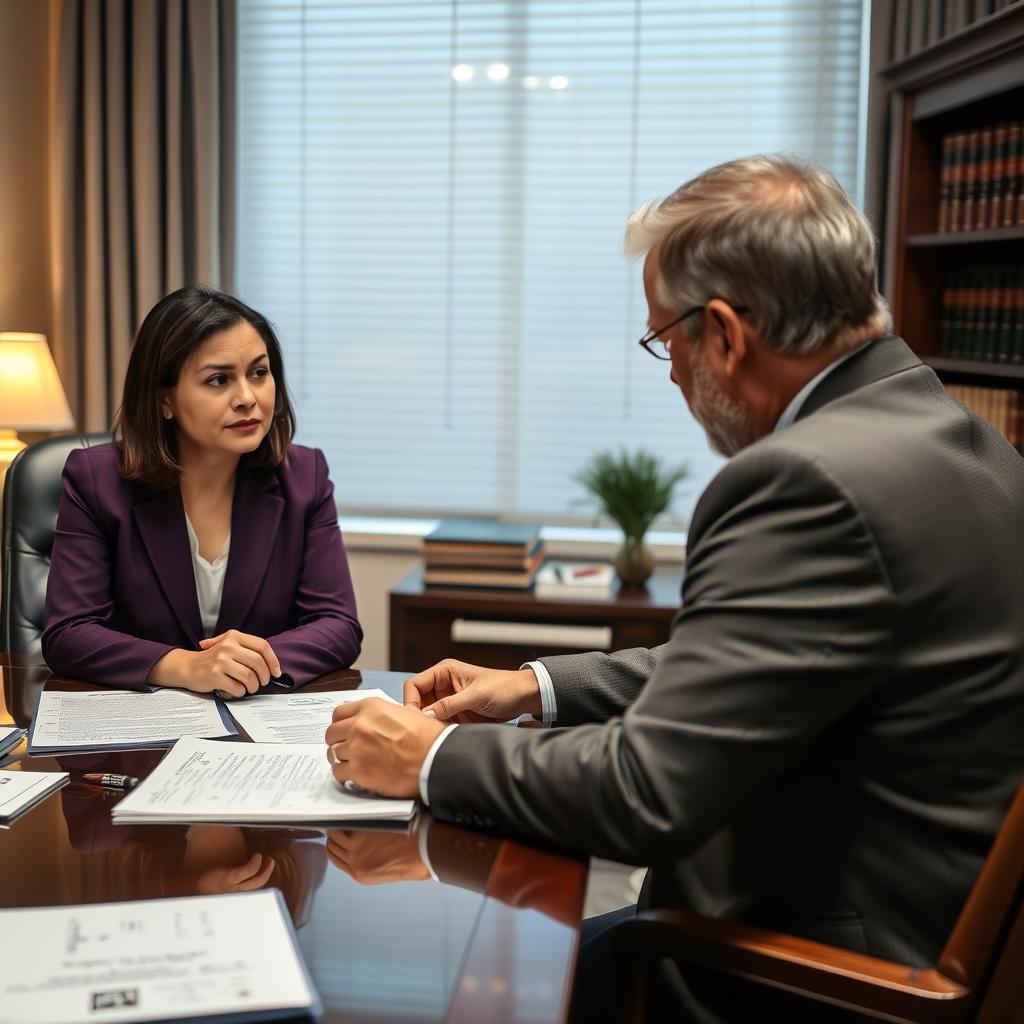
Order of Protection Lawyer Westchester County, NY
You answered the knock at your door and were handed a Temporary Order of Protection — the paper cites allegations of harassment, stalking, or a domestic dispute. You read it over and realize it touches everything: your home, your children, your job, even your firearm rights. You need to appear in Westchester County Family Court next week, and you are not sure where to start. At Law Offices Of SRIS, P.C., we handle orders of protection for clients across Westchester County, New York. We walk you through the immediate steps, prepare you to tell your side, and advocate for a resolution that protects your safety and your future. Reach our location at (888) 437-7747 today to schedule a confidential consultation. Law Offices Of SRIS, P.C. — Advocacy Without Borders.
How Mr. Sris and His Of Counsel Handle Orders of Protection in Westchester County
In our practice, an order of protection is not a single court appearance — it is a series of strategic decisions that begin the moment you are served. Mr. Sris and his Of Counsel focus first on immediate compliance: making sure you understand the terms of the order so you do not inadvertently violate it and face criminal contempt. At the same time, we collect the evidence you already have — text messages, social media records, third-party witness statements — and evaluate whether the allegations actually support the relief the other party is requesting. Many temporary orders in Westchester County are entered without notice to the respondent, meaning the judge has heard only one side. Your return hearing is your chance to present your evidence, explain the context, and challenge the claims against you.
We then walk through what happens at Family Court in White Plains. You will likely appear before a support magistrate or a Family Court judge. The hearing is not a criminal trial, but the stakes feel just as high because the court can exclude you from a shared residence, limit parenting time, or order supervised visitation. Mr. Sris and his Of Counsel help you organize your testimony, anticipate cross-examination, and present witnesses who can speak to your character and the history of the relationship. If negotiation is possible — for example, both parties agree to a less restrictive order through counsel — we pursue that option to avoid a contested hearing. But if the other side refuses to negotiate and the allegations are unsupported, we prepare you to try the case fully.
What to Expect in Westchester County Family Court
The Westchester County Family Court sits at 111 Dr. Martin Luther King Jr. Boulevard in White Plains. All family offense petitions — the legal term for applications seeking a protective order in a family context — are filed here. The court operates under the New York Family Court Act, which authorizes the judge to issue a temporary order immediately upon filing and to schedule a return date within fourteen days. At that first appearance, you have the right to be heard, to present evidence, and to retain counsel. If you cannot afford an attorney, the court may assign one, but having your own lawyer who has already investigated the case offers a substantial advantage.
The final hearing follows a set tempo: each side presents witnesses and documents; the judge makes findings on whether aggravating acts occurred. If the judge finds that the petitioner met the burden, the order of protection can last up to two years in Family Court, and may set conditions on contact, possession of weapons, parenting time, and financial support. Violating a final order is a criminal offense, so we treat every hearing with the seriousness it deserves.
About Mr. Sris and His Of Counsel Team
Mr. Sris, Owner and Founder of Law Offices Of SRIS, P.C., began his legal career as a former prosecutor. Since founding the firm in 1997, he has concentrated his practice in family law, criminal defense, and civil litigation — which means he understands orders of protection from all angles: the prosecutorial lens, the civil protective lens, and the defense lens. He is admitted in New York, Virginia, Maryland, the District of Columbia, and New Jersey, allowing the firm to serve clients throughout the Northeast. Alongside Mr. Sris, a team of experienced Of Counsel attorneys engages with every case, preparing motions, analyzing evidence, and appearing in court. Together, Mr. Sris and his Of Counsel bring over 120 years of combined legal experience, supported by 4,739+ documented firm-wide results. Results may vary.
Frequently Asked Questions
What exactly is an order of protection in New York?
An order of protection is a court directive that restricts contact between the person petitioning for relief and the respondent. In New York, it can be issued in Family Court based on a family offense petition or in criminal court as part of a case involving allegations of domestic violence. The order sets specific prohibitions — such as staying away from the home, refraining from communication, and surrendering firearms — and can also address child custody, child support, and shelter. Violating the terms may lead to arrest and criminal contempt charges, so understanding the precise language of your order is critical.
Do I need a lawyer for a family offense proceeding in Westchester County?
While you are not required to have a lawyer, having an experienced attorney protects your rights and helps you avoid procedural errors that can harm your case. A lawyer can cross‑examine the petitioner, challenge hearsay evidence, present your witnesses effectively, and negotiate a settlement that avoids a lengthy final hearing. The court provides an attorney only if you are indigent and facing possible incarceration. For most respondents, retaining counsel from the start is the trusted way to level the playing field.
How long does a final order of protection last in Westchester County?
In Family Court, a final order of protection generally lasts up to two years from the date it is issued, though the court may set a shorter duration depending on the facts. If the order stems from a criminal conviction, the length may be longer — up to eight years in certain felony cases. After the order expires, it can be extended if a new petition is filed and the court finds continuing need. The timeline for your specific matter will depend on the judge’s assessment of the evidence and the seriousness of the allegations.
Can I have the order modified or vacated after it is issued?
Yes, you may file a motion to modify or vacate an order of protection if circumstances have changed or if the order was entered without a full hearing. For example, if both parties agree that contact should resume, or if new evidence shows the allegations were exaggerated, the court can amend the order. Modification is not automatic — you must present a written motion and often appear for a hearing. Our team regularly handles modification requests at the Westchester County Family Court.
What should I bring with me to my first consultation?
Bring the temporary order of protection, any other court papers you received, and a written narrative of what happened from your perspective. Also gather any supporting evidence: text messages, email chains, photographs, video clips, police reports, and the names and phone numbers of witnesses. The more information you provide upfront, the quicker we can assess the strength of the other side’s case and outline your options. You do not need to organize everything perfectly — our team will guide you through the process.
Also visit our other nearby locations: New York County (Manhattan) Order of Protection Lawyer · Brooklyn Order of Protection Lawyer · Queens Order of Protection Lawyer · Staten Island Order of Protection Lawyer · Nassau County Order of Protection Lawyer
Westchester County Family Court · 9th Judicial District · For a full statutory breakdown, see the comprehensive analysis at srislawyer.com.
Last reviewed: June 2026
Attorney advertising. Prior results do not guarantee a similar outcome. Case results depend on a variety of factors unique to each case. Results may vary.