
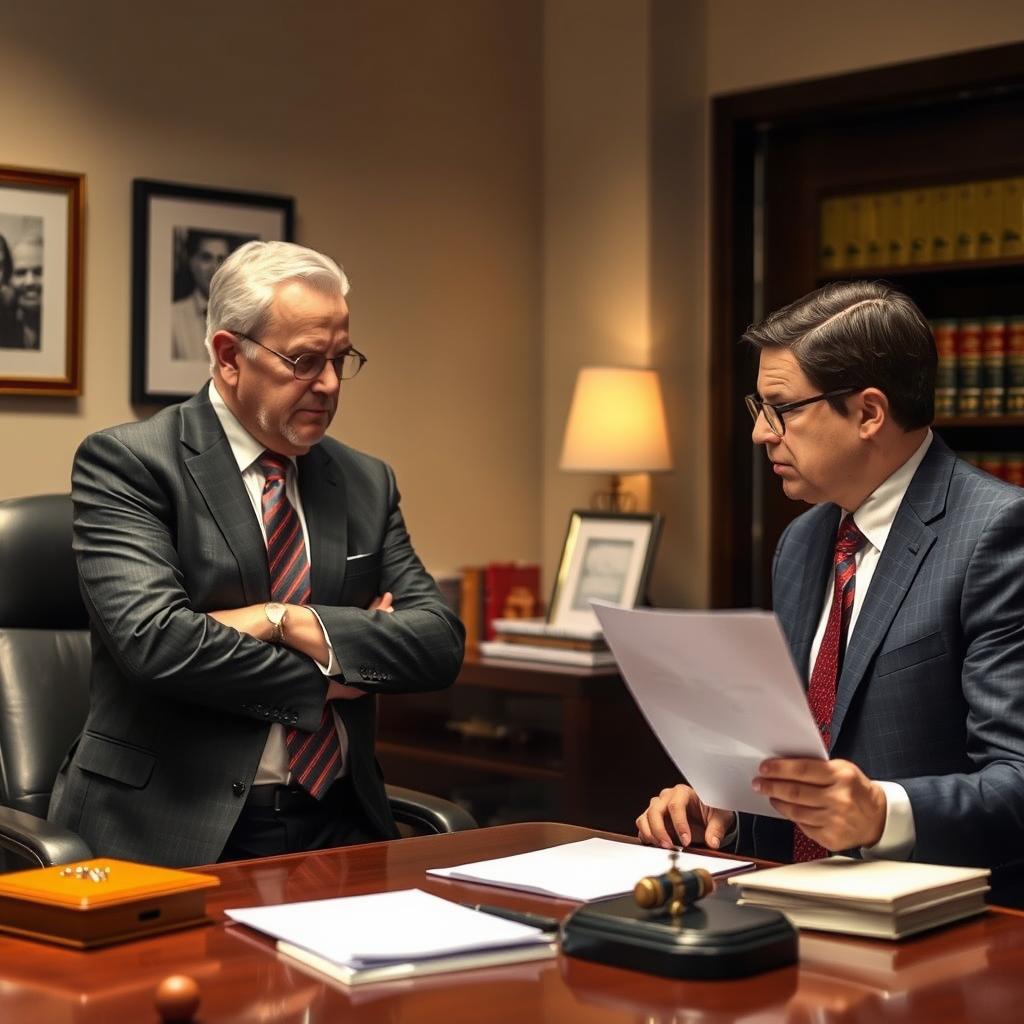
What happens at a criminal arraignment in Columbia Heights
You or someone close to you has been arrested in Columbia Heights, the vibrant D.C. Neighborhood between 14th Street and the edges of Mount Pleasant and Petworth. After the initial arrest and booking, the first court appearance is the arraignment. At a criminal arraignment in D.C. Superior Court, the judge formally reads the charges, tells you what the prosecution must prove, confirms your right to an attorney, and asks for your plea. The court also addresses release conditions. Knowing what to expect can ease the stress of that first appearance, and having an experienced defense attorney at your side helps protect your interests from the very beginning. To discuss your case and how counsel can assist you at this stage, call Law Offices Of SRIS, P.C. at (888) 437-7747. Law Offices Of SRIS, P.C. – Advocacy Without Borders.
The arraignment process at D.C. Superior Court
D.C. Superior Court handles all local criminal matters for the District, including arrests that occur in the Columbia Heights area. The courthouse is located at 500 Indiana Avenue NW, just steps from the Judiciary Square Metro station. When you are arrested, you are typically taken before a judge or magistrate for an initial appearance—often within 24 hours, even on weekends or holidays. This initial appearance serves as the arraignment for misdemeanors. For felony cases, the initial appearance may be followed by a later arraignment hearing, after a grand jury indictment has been returned.
At the arraignment, the judge (or magistrate) will read aloud each charge against you. For a Columbia Heights arrest, these could range from simple assault and disorderly conduct to more serious offenses like armed robbery or drug distribution. The judge will also verify that you understand your right to an attorney. If you cannot afford one, the Public Defender Service for the District of Columbia (PDS) may be appointed. You will then be asked to enter a plea: not guilty, guilty, or nolo contendere (no contest). In nearly all cases, defense counsel advises entering a not-guilty plea at this stage, because it preserves your right to challenge the government’s evidence later.
Release conditions are a key part of the arraignment. Unlike many states, D.C. Does not use a cash-bail system for most offenses. Instead, the Pretrial Services Agency (PSA) conducts a risk assessment and makes a recommendation to the judge. The judge may order release on personal recognizance, with conditions such as stay-away orders, drug testing, or GPS monitoring. If the prosecution argues that you are a danger to the community or a flight risk, the judge may order detention until trial. In our practice representing clients at D.C. Superior Court, having counsel present at the arraignment to advocate for the least restrictive release conditions can make a significant difference in the outcome.
After the arraignment, the case is scheduled for a status hearing or a felony status conference. For misdemeanors, trial may be set within a few months. For felonies, the process includes grand jury presentation, the filing of an indictment, and a trial date typically several months or more down the road. The entire timeline depends on the court’s calendar and the complexity of the case.
Frequently Asked Questions
Do I need a lawyer for my arraignment in Columbia Heights?
You are not required to have a lawyer at your arraignment, but having counsel present is strongly advisable. An attorney can review the charges for any procedural defects, argue for your release on the least restrictive conditions, and enter a not-guilty plea on your behalf. Even if you intend to hire private counsel later, having a lawyer at the very first appearance protects your rights. Law Offices Of SRIS, P.C. represents clients at D.C. Superior Court from its Arlington location; you can reach the firm at (888) 437-7747 to request a consultation.
Will the judge set bail at my arraignment?
In D.C., traditional cash bail is rarely used; instead, the judge decides on release conditions based on a risk assessment from the Pretrial Services Agency. The judge may order release on personal recognizance, impose conditions like a stay-away order or drug testing, or, in serious cases, order pretrial detention without bond. A lawyer can present information to the court about your community ties, employment, and lack of prior record to argue for the most favorable release terms.
What if I plead not guilty at the arraignment? What happens next?
After a not-guilty plea, the judge will schedule a status hearing and set a trial date. For misdemeanor charges, the next court date is typically within a few weeks, with trial to follow. For felony charges, the case will go to a grand jury for indictment, and then a series of status hearings will precede a trial date many months out. During this time, your attorney will gather evidence, file motions, and negotiate with the prosecutor. Pleading not guilty initially does not prevent you from later reaching a plea agreement.
Can I be released from custody at the arraignment?
Yes, many individuals are released from custody at the initial appearance, either on personal recognizance or with conditions. The PSA recommendation and the judge’s assessment of flight risk and danger to the community drive this decision. If you have strong ties to the Columbia Heights area, stable employment, and a limited criminal history, release is more likely. If the judge orders detention, your attorney can request a detention review hearing shortly afterward.
What charges might I see at an arraignment for a Columbia Heights arrest?
Arrests in Columbia Heights can involve a range of D.C. Code offenses, from simple assault (up to 180 days in jail) and theft to gun possession and drug distribution. Because D.C. Has a unique federal-local hybrid jurisdiction, some serious crimes may also be prosecuted in U.S. District Court. The specific charges you face will be described in the criminal complaint, and the full range of potential penalties depends on the offense class and your prior record.
How long does an arraignment typically last?
An arraignment hearing itself is often brief—usually only a few minutes. The judge reads the charges, advises you of your rights, takes your plea, and addresses release conditions. However, you may spend several hours at the courthouse waiting for your case to be called. Dressing respectfully and arriving on time are important. Your attorney can give you a realistic idea of how long to expect the entire process to take on the day of your hearing.
Can my attorney appear at the arraignment without me?
In most misdemeanor cases, your attorney can appear on your behalf and enter a not-guilty plea without you being physically present. The judge may still require you to attend future hearings. For felony arraignments, your personal appearance is generally required. It is best to talk to your lawyer well before the court date to understand what is expected of you.
What should I bring to my arraignment?
Bring a government-issued photo ID, any paperwork you received when you were released from custody, and contact information for any witnesses or family members you may need to reach. Do not bring weapons, drugs, or anything that could be considered contraband; the courthouse has metal detectors and security screening. Leave valuables at home if possible. Your attorney will provide further guidance specific to your case.
Is the arraignment open to the public?
Yes, court proceedings are generally open to the public, including arraignments. Family members and friends may attend to offer support, but they must sit quietly in the gallery. The judge may clear the courtroom for sensitive matters, but that is uncommon at the initial appearance stage. The presence of loved ones can sometimes positively influence release decisions.
What are the possible outcomes of an arraignment for a felony case?
For a felony, the first appearance may result in release or detention, and the formal arraignment on the indictment occurs later. At the later arraignment, the judge will read the grand jury’s indictment, and you will enter a plea. If you plead not guilty, the case proceeds through pretrial motions. If you plead guilty, the judge will schedule a sentencing hearing. The prosecution may also announce its intention to seek enhanced penalties or present a plea offer at that stage.
About Mr. Sris and His Of Counsel Team
Law Offices Of SRIS, P.C., founded in 1997, serves clients in the District of Columbia from its Arlington location. Mr. Sris, Owner and Founder, is a former prosecutor who is admitted to practice before the D.C. Courts and handles criminal matters ranging from arraignments to trial. He is supported by Of Counsel attorneys who collectively bring over 120 years of combined legal experience between Mr. Sris and his Of Counsel, paired with over 4,739 documented firm-wide results. Results may vary. When you hire the firm, you benefit from a team that understands the procedures at D.C. Superior Court and works to achieve favorable outcomes. To request a consultation, call (888) 437-7747.
Primary-source authority: D.C. Code Title 22 (Criminal Offenses) · D.C. Superior Court Criminal Division
Attorney advertising. Prior results do not guarantee a similar outcome. Results may vary.
Case results depend on a variety of factors unique to each case.