
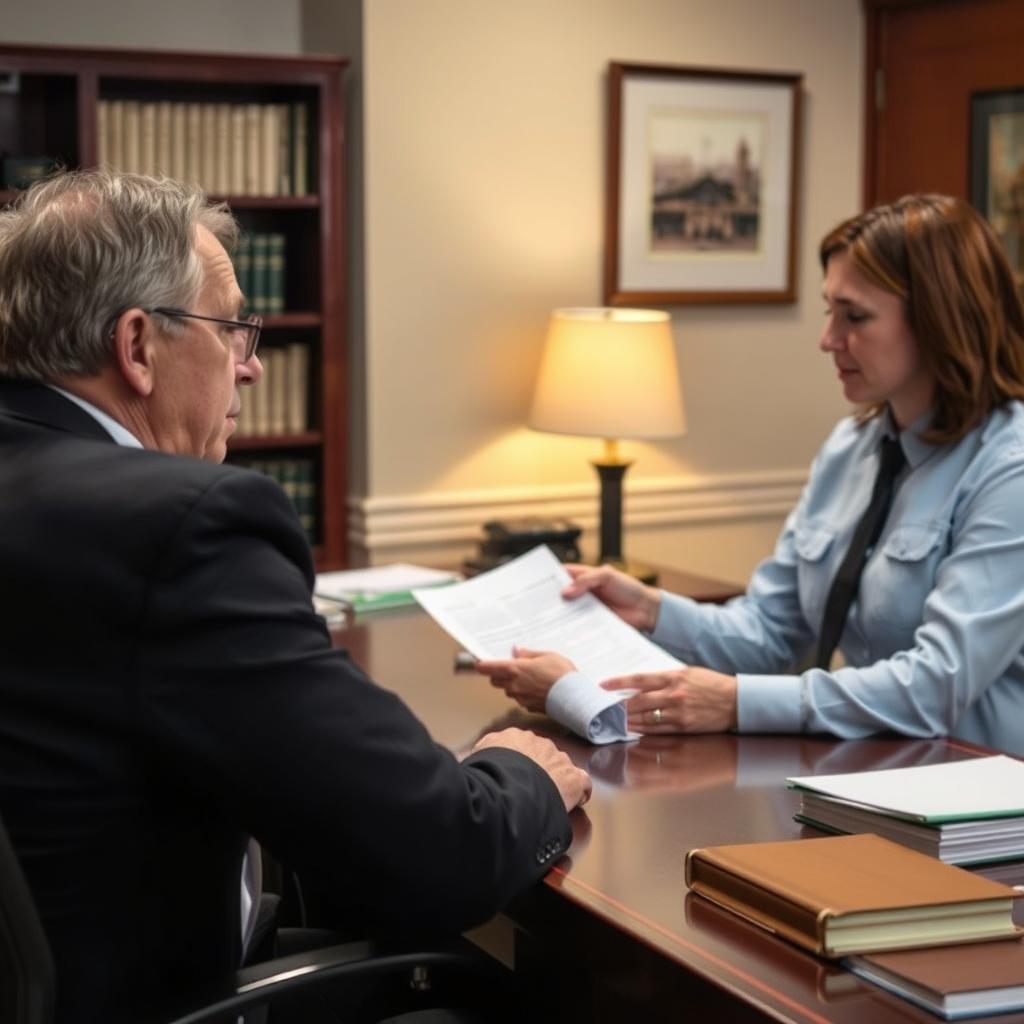
What happens at a criminal arraignment in Rockland County
At a criminal arraignment in Rockland County, the defendant appears before a judge, is formally told what charges have been filed, and enters a plea—guilty, not guilty, or, in some cases, no contest. The court also addresses bail or release conditions, advises the defendant of the right to counsel, and schedules the next court date. For misdemeanors, the arraignment usually takes place in the town or village justice court where the arrest occurred; for felonies, it happens in the Rockland County Court or the Supreme Court Criminal Term in New City. The entire proceeding is brief, but what happens next depends heavily on the plea and the judge’s rulings. If you or someone you care about has been arrested, having an experienced criminal defense attorney present at the arraignment can protect your rights from the start. Mr. Sris and his Of Counsel team at Law Offices Of SRIS, P.C. Appear in Rockland County courts and are available to discuss your situation. Reach our New York location at (888) 437-7747 to schedule a consultation.
Law Offices Of SRIS, P.C. – Advocacy Without Borders.
Understanding the arraignment process in Rockland County
An arraignment is the first formal court appearance after an arrest. In Rockland County, the process depends on the level of the charge. For most misdemeanors and violation-level offenses, the defendant is either held for arraignment—typically within 24 hours of arrest—or released with a Desk Appearance Ticket (DAT) directing them to appear at the local justice court on a future date. Felony arraignments are handled at the Rockland County Supreme Court in New City, usually after a grand jury indictment has been returned. At the hearing, the judge or court staff reads the charging document aloud, explains the defendant’s rights, and asks how the defendant pleads. A not-guilty plea preserves all defenses and moves the case forward into pretrial discovery and motion practice; a guilty plea ends the case and results in a sentencing date, unless the judge orders a presentence investigation. Under New York’s 2020 bail reform, cash bail is no longer required for most misdemeanors and non-violent felonies; many defendants are released on their own recognizance or with non-monetary conditions. For violent felonies and certain other qualifying offenses, bail may still be set, and the judge will hear arguments from the prosecutor and defense counsel before deciding. Throughout the arraignment, the court also determines whether the defendant qualifies for assigned counsel through the Legal Aid Society or the 18‑B panel. Mr. Sris and his Of Counsel team are familiar with the judges and procedures in Rockland County and help clients navigate each step of this critical hearing.
Frequently asked questions about criminal arraignments in Rockland County
What exactly is a criminal arraignment?
An arraignment is the first court hearing in a criminal case where the defendant is formally told what charges have been brought against them and enters a plea. The court advises the defendant of their rights, including the right to an attorney and the right to a trial. If the defendant cannot afford a lawyer, the court appoints one. Bail or release conditions are also set at this stage. In Rockland County, misdemeanor arraignments take place in the local town or village court, while felony arraignments are held in the County Court or Supreme Court in New City. The hearing is brief but shapes the entire timeline of the case.
Do I need a lawyer at the arraignment in Rockland County?
You are not required to have a lawyer, but appearing without one puts you at a significant disadvantage because the judge may set bail or conditions based only on the prosecutor’s statements. A criminal defense attorney can argue for release on recognizance, challenge the bail amount, and ensure you do not say anything that could hurt your case later. Because the plea entered at arraignment affects discovery deadlines and the right to a speedy trial under New York law, having an attorney present from the start is critical. Mr. Sris and his Of Counsel team represent clients at arraignments throughout Rockland County and can appear on short notice.
What happens if I plead not guilty at the arraignment?
A not-guilty plea puts the case on a track toward trial, pretrial motions, and possible plea negotiations. After the plea, the judge schedules the next court date—often a pretrial conference—and sets deadlines for the prosecution to provide discovery. In New York, the People (the prosecution) must be ready for trial within 90 days for a misdemeanor and 6 months for a felony under the speedy trial statute (Criminal Procedure Law § 30.30). During this time, your attorney can review the evidence, file motions to suppress, and negotiate with the prosecutor for a reduced charge or dismissal.
What happens if I plead guilty at the arraignment?
A guilty plea ends the case immediately, and the judge will either sentence you at the arraignment or schedule a sentencing hearing after ordering a presentence report. For many misdemeanor and violation-level offenses, the judge may impose a fine, conditional discharge, or a short jail sentence right away. However, pleading guilty without a lawyer present means you give up all defenses, the right to a trial, and the possibility of negotiating a better outcome. In Rockland County, it is almost never advisable to plead guilty at the arraignment without first speaking with an experienced criminal defense attorney. Mr. Sris and his Of Counsel team can help you evaluate your options before you enter a plea.
How is bail determined at a Rockland County arraignment?
The judge decides bail or release conditions based on the seriousness of the charge, the defendant’s criminal history, ties to the community, and the prosecutor’s recommendation. Under New York’s 2020 bail reform law, cash bail is not permitted for most misdemeanors and non-violent felonies; many defendants are released on their own recognizance or with conditions such as check‑ins. For qualifying violent felonies and certain other charges, the judge may set bail and must consider the defendant’s ability to pay. A defense attorney can present facts to support release without monetary conditions, which is a key reason to have counsel at the first appearance.
What does a desk appearance ticket (DAT) mean for my arraignment?
A desk appearance ticket is an order to appear in court on a specific date instead of being held in custody until arraignment. It is issued for many low-level offenses and means you were not formally arrested and booked. Your arraignment will take place on the date listed on the DAT at the local justice court in the town or village where the incident occurred. You must appear on that date; failing to show can result in a warrant. Even though a DAT seems minor, the charge still carries potential penalties, and you should consult an attorney before the arraignment date.
What happens after the arraignment?
After the arraignment, the case moves into the pretrial phase, which includes discovery exchange, motion practice, and possible plea negotiations. If the defendant was held on bail, the case may proceed quickly because a detained defendant is entitled to a speedier trial. A pretrial conference, sometimes called a control date, is scheduled to review the status of discovery and discuss any possible disposition. During this period, your attorney can file motions to dismiss the charges, to suppress evidence, or to challenge the legal sufficiency of the charges. Mr. Sris and his Of Counsel team guide clients through each step of the Rockland County criminal process.
Can charges be dismissed at the arraignment?
It is extremely rare for charges to be dismissed at the arraignment because the court is not yet testing the strength of the prosecution’s evidence. The arraignment’s purpose is to notify the defendant of the charges and set release conditions. However, if the complaint is legally insufficient on its face—for example, if it does not allege every element of the crime—a defense attorney can ask the court to dismiss the accusatory instrument. In most cases, though, the judge will allow the prosecution time to amend or file a new instrument. Dismissals, when they happen, typically come later in the process after motion practice or negotiations.
What should I bring to my arraignment in Rockland County?
You should bring your desk appearance ticket or bail receipt, valid identification, any paperwork related to the case, and contact information for your attorney. If you have been released on bail, bring proof that you posted bond. Do not bring weapons, drugs, or anything that could violate a court order. Dress respectfully; the court’s impression of you may influence the judge’s decisions on release conditions. If you have an attorney, they will instruct you further. If you do not yet have counsel, Mr. Sris and his Of Counsel team can be reached at (888) 437-7747 for a consultation before your court date.
How does an attorney help at a felony arraignment in Rockland County?
At a felony arraignment, an attorney challenges the prosecution’s request for bail or remand, addresses any legal defects in the felony complaint, and ensures the defendant understands the right to a preliminary hearing and the grand jury process. Felony arraignments in Rockland County take place at the Supreme Court in New City. The judge will consider whether to set bail or order detention, and a skilled defense lawyer can present mitigating facts about the defendant’s background, employment, and family ties to argue for release. The attorney can also begin to identify weaknesses in the prosecution’s case that may lead to a reduction or dismissal before indictment.
Where exactly is the Rockland County court for criminal arraignments?
Misdemeanor arraignments are held in the town or village justice courts throughout Rockland County; felony arraignments are held at the Rockland County Supreme Court located at 1 South Main Street, New City, NY 10956. The local justice courts have varying hours and procedures, so the court listed on your paperwork will tell you which location to attend. The Supreme Court in New City handles all felony cases countywide. Mr. Sris and his Of Counsel team appear at all Rockland County criminal courts and can advise you on where to go and what to expect when you arrive.
About Mr. Sris and his Of Counsel team
Mr. Sris, Owner and Founder of Law Offices Of SRIS, P.C., is a former prosecutor who has practiced since 1997 and is admitted in Virginia, Maryland, the District of Columbia, New Jersey, and New York. He leads a multi-state team of experienced Of Counsel attorneys who bring extensive combined legal experience to criminal defense matters. Mr. Sris and his Of Counsel handle cases at all levels of the New York courts and have documented case results across all practice areas. Results may vary. Clients in Rockland County benefit from the firm’s ability to appear in local justice courts and its understanding of New York’s evolving bail and discovery statutes. Mr. Sris testified before the Virginia House Courts of Justice Committee in support of 2019 HB 635 (chief patron Del. David Bulova), a bill that revised Virginia’s equitable distribution statute. To discuss your Rockland County criminal matter, reach Mr. Sris and his Of Counsel team at (888) 437-7747.
Attorney advertising. Prior results do not guarantee a similar outcome.
Case results depend on a variety of factors unique to each case.
Results may vary.