
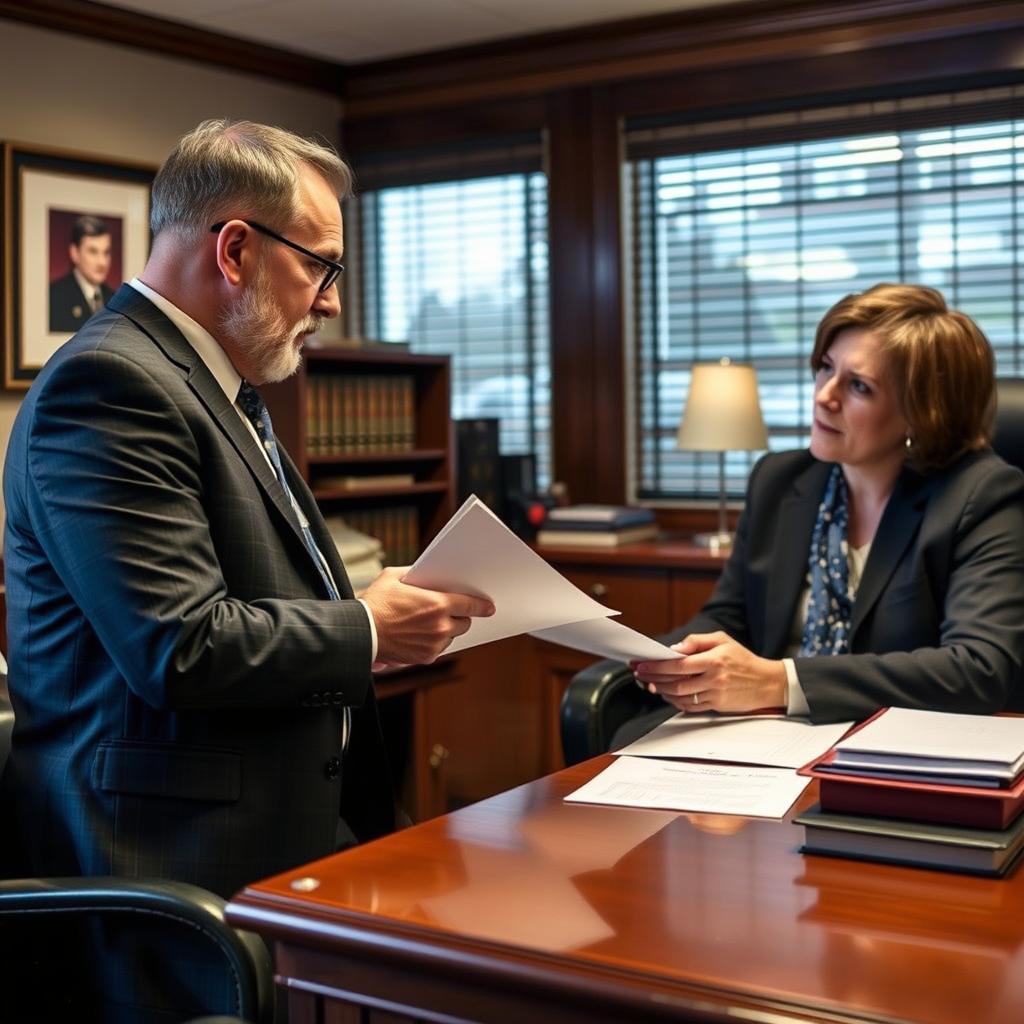
What happens at a criminal arraignment in Schenectady County
An arraignment is the first formal court appearance after an arrest in Schenectady County, New York. During this proceeding, the judge informs the defendant of the charges, advises them of their rights, and asks them to enter a plea. In Schenectady County Criminal Court, which handles misdemeanors and violation‑level offenses, arraignment typically occurs within 24 hours of arrest unless law enforcement issues a desk appearance ticket (DAT) instead. For felony cases, arraignment takes place in Schenectady County Supreme Court Criminal Term. The court also addresses bail or release conditions at this stage—under New York’s 2020 bail reform, cash bail has been eliminated for most misdemeanors and non‑violent felonies, so many defendants are released on their own recognizance after arraignment. A defendant may enter a plea of not guilty, and the judge schedules the next court appearance. For guidance on your specific situation, contact Law Offices Of SRIS, P.C. at (888) 437‑7747. Law Offices Of SRIS, P.C. – Advocacy Without Borders.
Understanding the Arraignment Process in Schenectady County
When a person is taken into custody in Schenectady County, the arraignment is the gateway into the criminal justice system. The specific court that conducts the arraignment depends on the level of the charge. Misdemeanor and violation‑level matters are handled in the Schenectady County Criminal Court, while felony charges proceed to the Schenectady County Supreme Court Criminal Term. In many low‑level cases, police will issue a desk appearance ticket (DAT) that directs the person to appear in court on a future date, rather than holding them for an immediate arraignment. If the person is held, the arraignment is generally held promptly—usually within 24 hours—in compliance with New York’s statutory requirement that a defendant be brought before a judge without unnecessary delay.
At the arraignment, several things happen. The judge reads the charges aloud or confirms that the defendant has received a copy of the accusatory instrument. The defendant is advised of the right to remain silent and the right to an attorney, and counsel may be appointed if the defendant qualifies financially. The defendant then enters a plea. In nearly all cases, a plea of not guilty is entered at this stage to preserve legal options. The judge next determines release conditions. Because of New York’s bail reforms, cash bail is no longer set for most misdemeanors and non‑violent felonies; instead, release on personal recognizance or under non‑monetary conditions is the norm. Finally, the judge schedules the next court date—often for a discovery conference or a pre‑trial hearing in the case of a misdemeanor, or for a preliminary hearing or grand jury presentation in a felony matter. The Schenectady County District Attorney’s office represents the People at every arraignment.
Frequently Asked Questions
Will I be released after arraignment in Schenectady County?
Most defendants in Schenectady County are released after arraignment without having to post bail, especially for misdemeanors and non‑violent felonies. New York’s 2020 bail reform eliminated cash bail for the majority of such offenses. The judge may impose non‑monetary conditions, such as supervised release or an order of protection. If the charge is a qualifying violent felony or a domestic violence matter, bail may be set. Your attorney can argue for the least restrictive conditions possible. For specific advice about your situation, contact Law Offices Of SRIS, P.C. at (888) 437‑7747.
Do I need a lawyer at arraignment?
You have a right to an attorney at every stage, including arraignment, and it is very important to have one present. At the arraignment, the judge will advise you of your right to counsel. If you cannot afford a lawyer, you may apply for a public defender or an assigned counsel from the 18‑b panel. A lawyer can help you understand the charges, enter a plea that protects your rights, and argue for favorable release conditions. Even though the arraignment is a brief hearing, the decisions made can affect the rest of your case. Reach Law Offices Of SRIS, P.C. at (888) 437‑7747 to discuss representation before your court date.
What happens if I plead not guilty?
Pleading not guilty at arraignment preserves all of your legal rights and sets the case on a path toward further proceedings. After a not‑guilty plea, the judge will schedule the next court date. For misdemeanors, that is typically a discovery conference or a pre‑trial hearing within a few weeks to a couple of months. For felonies, a preliminary hearing or a grand jury presentation will be scheduled. A not‑guilty plea at arraignment does not mean you cannot later negotiate a resolution; it simply gives your attorney time to review the evidence and build a defense. For guidance on your options, contact Law Offices Of SRIS, P.C. at (888) 437‑7747.
Can the judge dismiss the charges at arraignment?
A judge may dismiss charges at arraignment if the accusatory instrument is legally insufficient, but this is rare. The prosecution must have a complaint that establishes each element of the charged offense. If the complaint is facially defective, your lawyer can move for dismissal. However, most legal challenges to the sufficiency of the charges occur at later stages. The arraignment primarily serves as the initial appearance. To understand the strength of the case against you, speak with an experienced criminal defense attorney. Mr. Sris and his Of Counsel at Law Offices Of SRIS, P.C. can review the allegations at (888) 437‑7747.
What is an Adjournment in Contemplation of Dismissal (ACD)?
An Adjournment in Contemplation of Dismissal (ACD) is a disposition where the matter is adjourned for a set period—usually six months—and then automatically dismissed if the defendant stays out of trouble. ACD is available for many first‑offense cases in Schenectady County, including low‑level drug possession, disorderly conduct, and other non‑violent misdemeanors. The defendant does not admit guilt; the court simply adjourns the proceedings. If the defendant is not arrested during the ACD period, the case is dismissed and sealed. An attorney can help you determine if you are eligible. To discuss whether an ACD is an option, reach Law Offices Of SRIS, P.C. at (888) 437‑7747.
What if I fail to appear at arraignment?
Failing to appear at a scheduled arraignment in Schenectady County can lead to a bench warrant for your arrest and additional criminal charges. If you were released on a desk appearance ticket, missing that court date may result in a new charge of bail jumping. It is critical that you appear or, if you have a legitimate reason for missing court, that your attorney notifies the court immediately. If a warrant is issued, you may be taken into custody when you encounter law enforcement. An attorney can help you resolve the warrant and get back on track. For help with a missed court date, call Law Offices Of SRIS, P.C. at (888) 437‑7747.
Is bail required in Schenectady County?
Under New York’s bail reform laws, cash bail is not required for most misdemeanors and non‑violent felonies in Schenectady County. The 2020 legislation eliminated cash bail for the vast majority of such offenses, meaning defendants are either released on their own recognizance or under non‑monetary conditions like supervised release. Bail may still be set for qualifying violent felonies, certain sex offenses, domestic violence charges, and some repeat offenses. If bail is set, your attorney can request a bail review hearing to seek lower or alternative conditions. For specific questions about bail in your case, contact Law Offices Of SRIS, P.C. at (888) 437‑7747.
What happens after arraignment for a felony?
After a felony arraignment in Schenectady County Supreme Court Criminal Term, the case proceeds to either a preliminary hearing or a grand jury presentation. The purpose of a preliminary hearing is to determine whether there is reasonable cause to believe the defendant committed a felony; the hearing must be held within a short period unless the defendant waives it. Alternatively, the district attorney may present the case directly to a grand jury to secure an indictment. If the grand jury returns an indictment, the defendant is arraigned again on the indictment. A felony case can take several months or more to resolve. To understand the timeline for your specific situation, reach Law Offices Of SRIS, P.C. at (888) 437‑7747.
How soon after arrest is arraignment?
In Schenectady County, a defendant who is held in custody must be arraigned without unnecessary delay—generally within 24 hours of arrest. This requirement applies to both misdemeanor and felony arrests. If the arrest occurs late at night or on a weekend, the arraignment may take place the next business day. In many low‑level cases, the police will issue a desk appearance ticket instead of holding the person, directing them to appear in court on a later date; in those situations, there is no immediate post‑arrest arraignment. Your attorney can explain exactly what to expect. For help with an upcoming arraignment, contact Law Offices Of SRIS, P.C. at (888) 437‑7747.
What rights am I informed of at arraignment?
At arraignment, the judge will inform you of the specific charges against you and advise you of your constitutional rights, including the right to remain silent and the right to an attorney. You will be told that anything you say can be used against you, and that you have the right to have a lawyer present before any questioning. If you cannot afford a lawyer, the court will explain how to apply for appointed counsel. The judge will also inform you of your right to communicate with family or an attorney by telephone. Understanding these rights is critical, and having an experienced attorney with you at the arraignment ensures they are fully protected. Call Law Offices Of SRIS, P.C. at (888) 437‑7747 to discuss representation.
Can I ask for a different court date at arraignment?
It is generally possible to request an adjournment at arraignment, but the decision is up to the judge. If you need more time to hire a lawyer or gather information, your attorney—or you, if you are unrepresented—can ask the court to put the case over to a later date. Judges in Schenectady County Criminal Court often grant a brief adjournment for good cause, especially for a first appearance. However, repeated requests or significant delays may be denied. Having counsel present at the arraignment can help ensure that any adjournment request is properly made and that your rights are not compromised by an unnecessary delay. Reach Law Offices Of SRIS, P.C. at (888) 437‑7747 to have an attorney at your side.
What role does the District Attorney play at arraignment?
The Schenectady County District Attorney’s office represents the People of the State of New York and presents the charges at arraignment. A prosecutor will be present at every arraignment. They will provide the court with the complaint, confirm the charges, and may make a recommendation regarding bail or release conditions. The prosecutor may also indicate whether the People are requesting a forensic examination or other testing. In some cases, the prosecutor may offer a disposition—such as an ACD—at the arraignment itself. It is important to have an attorney who can evaluate any offer made and advise you accordingly. To discuss your case with a former prosecutor now on the defense side, call Law Offices Of SRIS, P.C. at (888) 437‑7747.
About Mr. Sris and His Of Counsel Team
Mr. Sris, Owner and Founder of Law Offices Of SRIS, P.C., is a former prosecutor who founded the firm in 1997. He is admitted to practice in Virginia, Maryland, the District of Columbia, New Jersey, and New York, and maintains a small personal caseload so he can be deeply involved in each matter. Mr. Sris and his Of Counsel bring extensive combined legal experience. Results may vary. The team handles criminal defense matters throughout Schenectady County, drawing on firsthand prosecutorial insight to build well‑prepared defenses. The firm’s New York Location serves clients in Schenectady, Niskayuna, Rotterdam, Scotia, Duanesburg, Glenville, and the surrounding Capital District. For a consultation about an upcoming arraignment or any criminal matter, contact Law Offices Of SRIS, P.C. at (888) 437‑7747.
Related criminal defense resources: Manhattan defense practice | Brooklyn representation | Queens criminal matters | Nassau County defense
New York legal resources: New York Criminal Procedure Law (CPL) | New York Penal Law | New York State Unified Court System
Attorney advertising. Prior results do not guarantee a similar outcome. Case results depend on a variety of factors unique to each case. Results may vary.