
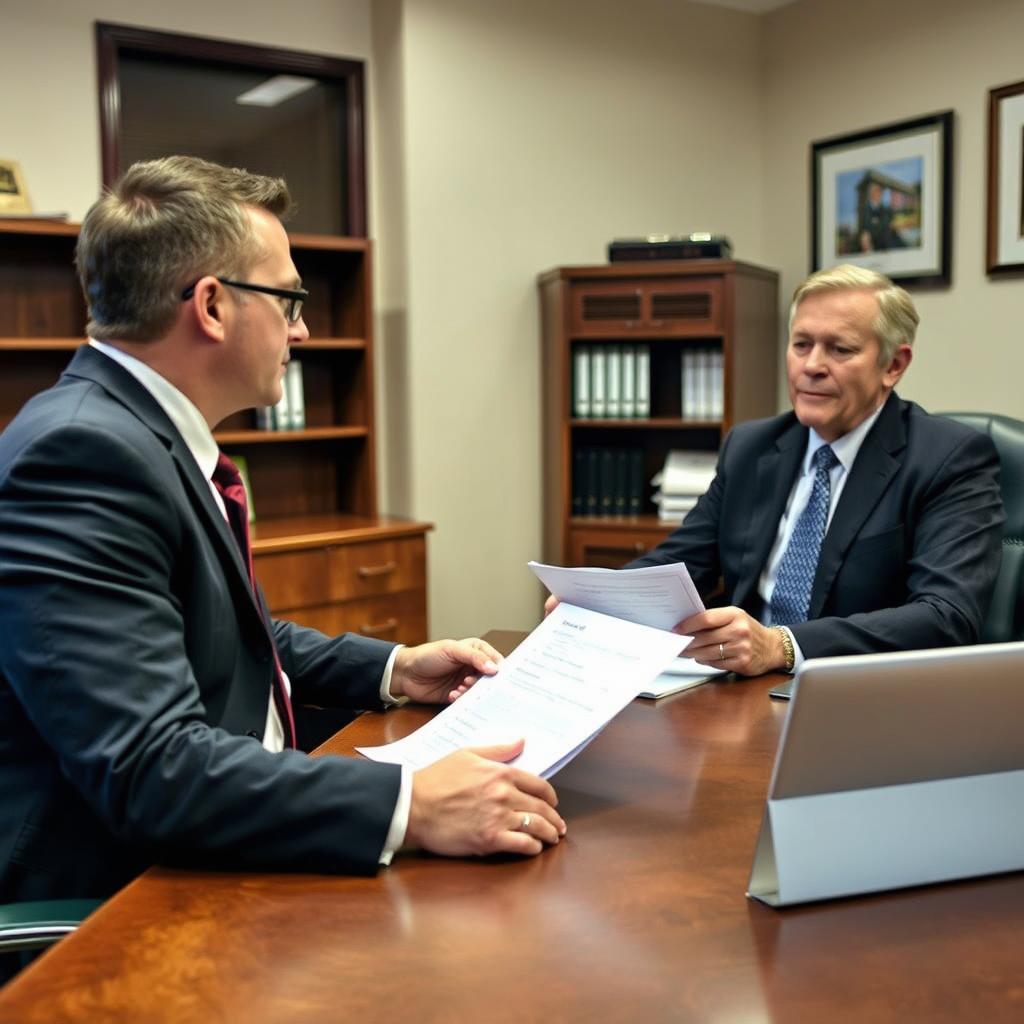
What happens at a criminal arraignment in Wesley Heights
If you or someone close to you has been arrested in Wesley Heights, the next step in the criminal process is an arraignment before a judge at the DC Superior Court. An arraignment is a formal court hearing where the charges against you are read, you enter a plea, and the judge addresses bail or conditions of release. In Washington, D.C., unlike many other jurisdictions, the court relies on a federal agency—the Pretrial Services Agency (PSA)—to conduct a risk assessment and recommend conditions rather than setting traditional cash bail for most offenses. Understanding what happens during an arraignment helps you make informed decisions and work toward a favorable outcome for your case. For guidance from an experienced criminal defense team, call Law Offices Of SRIS, P.C. at (888) 437-7747 to schedule a consultation. Law Offices Of SRIS, P.C. – Advocacy Without Borders.
Understanding the Arraignment Process in Wesley Heights
Arraignments in Wesley Heights are conducted at the DC Superior Court, Criminal Division, located at 500 Indiana Avenue NW, across from Judiciary Square. The judge begins by confirming your identity, reading the criminal complaint or indictment aloud, and ensuring you understand the nature of the charges. You then enter a plea of guilty, not guilty, or nolo contendere (no contest). For most misdemeanor arrestees, arraignment occurs within 24 hours of arrest; felony matters may follow a grand jury indictment and typically span a longer pretrial period. The court does not require cash bail in most cases; instead, PSA evaluates community ties, criminal history, and flight risk and recommends release conditions such as supervision, travel restrictions, or periodic check-ins. After the plea is entered, the judge sets future court dates and may address discovery timelines. If you cannot afford an attorney, the Public Defender Service for DC can be appointed. Having private counsel at this early stage allows you to assess the strength of the prosecution’s case and develop a strategy from the outset.
Frequently Asked Questions
What is an arraignment in Washington, D.C. Criminal court?
An arraignment is a court hearing where a defendant is formally advised of the charges and enters a plea. At DC Superior Court in Wesley Heights, the judge reads the charging document, ensures you understand your rights, and asks whether you plead guilty, not guilty, or nolo contendere. The hearing may also address release conditions through PSA’s risk assessment. This is a critical early stage, and having legal counsel present helps you evaluate the charges and make informed decisions that can affect the entire course of your case.
When does arraignment happen after an arrest in Wesley Heights?
For most misdemeanor arrests, arraignment occurs within 24 hours of being taken into custody. Felony cases may take longer because they often proceed through a grand jury indictment before a formal arraignment date is set. The DC Superior Court schedules hearings promptly, but the exact timing depends on the case type and court availability. You should contact an attorney immediately after arrest so that representation is in place before your first appearance. This early involvement can be crucial in addressing bail, preserving evidence, and framing your defense.
What are my plea options at arraignment?
You typically have three plea options at a DC Superior Court arraignment: guilty, not guilty, or nolo contendere (no contest). A guilty plea admits the charges and moves the case toward sentencing. A not-guilty plea preserves your right to challenge the prosecution’s evidence and proceed to trial. A nolo contendere plea means you do not dispute the charge but do not admit guilt; it has the same immediate effect as a guilty plea for sentencing purposes. Discussing your options with an experienced defense attorney before the hearing helps you understand the implications of each choice.
How is bail handled at DC Superior Court?
DC courts do not rely on traditional cash bail for most offenses; instead, the Pretrial Services Agency (PSA) conducts a risk assessment and recommends conditions of release. PSA considers factors like community ties, employment, criminal history, and the nature of the charges to determine whether you can be released on personal recognizance or subject to conditions such as electronic monitoring, drug testing, or a stay-away order. The judge reviews the PSA recommendation and may impose additional requirements. Having an attorney advocate on your behalf at this stage can help secure the least restrictive release conditions.
What happens if I plead not guilty?
When you plead not guilty, the court sets a schedule for pretrial proceedings, including discovery, motions, and a trial date. The prosecution must provide the defense with evidence, such as police reports, witness statements, and lab results. Your attorney can file motions to suppress evidence or dismiss charges if there were violations of your rights. For misdemeanors, trial is typically scheduled within two to four months; felony trials may take six to twelve months or more. Throughout this period, you are presumed innocent, and the burden remains on the government to prove guilt beyond a reasonable doubt.
Can the charges be dropped at arraignment?
It is uncommon for charges to be dismissed at arraignment, but the prosecution may move to dismiss if there is a clear legal defect or insufficient evidence. Your defense attorney can identify weaknesses in the charging document or constitutional violations that occur at the time of arrest. While the arraignment itself is not a hearing on the merits, an experienced lawyer can raise certain issues with the judge and the prosecutor that may lead to early resolution. Even if the charges are not dropped immediately, raising substantive concerns early can influence the direction of the case.
Do I need an attorney for my arraignment in Wesley Heights?
You are not legally required to have an attorney present at arraignment, but having skilled legal representation is strongly in your interest. The decisions you make at this hearing—particularly your plea and how bail conditions are set—can have lasting consequences. The Public Defender Service for DC provides counsel for those who qualify financially, but hiring a private attorney early allows you to begin building a strategic defense and to have continuous representation from the outset. An attorney can also negotiate with the prosecutor to potentially reduce or dismiss charges down the line.
What should I bring to my arraignment?
You should bring a form of identification, any documents related to your arrest, and contact information for your attorney. If you have been released on a citation or summons, bring that paperwork as it will reference your case number and assigned courtroom. Dress in a professional and respectful manner. While the court does not require any specific documents from the defendant at arraignment, being organized and prepared demonstrates to the court that you take the matter seriously. Your attorney should advise you on any additional materials or information that may be helpful.
How long does the arraignment take?
The arraignment hearing itself typically lasts only a few minutes. The judge or clerk will read the charges, take your plea, review PSA recommendations, and set future court dates. While the hearing is brief, the total time at the courthouse may be longer due to waiting for your case to be called among many others on the docket. Your attorney helps ensure the process moves smoothly and that all legal issues are promptly addressed.
What comes after arraignment in a criminal case?
After arraignment, the court schedules the next appearances: a status hearing, pretrial conference, and then trial. For misdemeanors, pretrial stages move more quickly; for felonies, there may be a preliminary hearing or a grand jury review before trial. Discovery continues, and your attorney may file motions, negotiate with the prosecutor, and explore diversion or first-offender programs where applicable. Throughout this period, close communication with your legal team is essential to staying informed and making decisions that align with your best interests.
What if I miss my arraignment in Wesley Heights?
If you fail to appear at your scheduled arraignment, the judge may issue a bench warrant for your arrest. Missing a court date is a serious matter that can lead to additional charges, revocation of release conditions, and a requirement to post bail. If you realize you may miss the hearing due to an emergency, contact your attorney immediately so they can communicate with the court and seek to reschedule. Never ignore a court summons; timely attendance is a basic obligation of anyone involved in the criminal justice system.
About Mr. Sris and His Of Counsel Team
Law Offices Of SRIS, P.C., founded in 1997, serves clients throughout the District of Columbia, Virginia, Maryland, New Jersey, and New York. The firm’s criminal defense cases in Wesley Heights and across DC are handled by Mr. Sris, Owner and Founder, and his experienced Of Counsel team. Mr. Sris is a former prosecutor who brings a thorough understanding of how the government builds its cases. He is admitted to practice law in the District of Columbia, Virginia, Maryland, New Jersey, and New York. Mr. Sris and his Of Counsel bring over 120 years of combined legal experience and over 4,739 documented firm-wide results. Results may vary. For a consultation about a criminal arraignment or any criminal defense matter, call (888) 437-7747.
Our Arlington location serves clients in Wesley Heights and throughout the District of Columbia. Reach us at (888) 437-7747 to schedule a consultation. By appointment only. Results may vary.
Additional criminal defense resources in Washington, D.C.:
Washington, D.C. Criminal Defense •
Georgetown Criminal Defense •
Spring Valley Criminal Defense •
Cleveland Park Criminal Defense •
Chevy Chase Criminal Defense
Attorney advertising. Prior results do not guarantee a similar outcome. Case results depend on a variety of factors unique to each case. Results may vary. Attorney responsible for this advertising: Mr. Sris.